
WorkshopBank logo
Free WorkshopsNewsletterPricing
Request DemoSign in
WorkshopBank logo
Free WorkshopsNewsletterPricing
Request DemoSign in
Workshop Framework

Purpose to Practice

Purpose to Practice (P2P) is a structured design process where a group of stakeholders collectively shapes the five essential elements needed to launch and sustain an initiative: purpose, principles, participants, structure, and practices. The result is a complete, shared blueprint that everyone helped create and everyone owns.

150 minutes
6-40 people
intermediate
Get Full AccessSee What's Included

✓ Created by former KPMG & McKinsey consultants
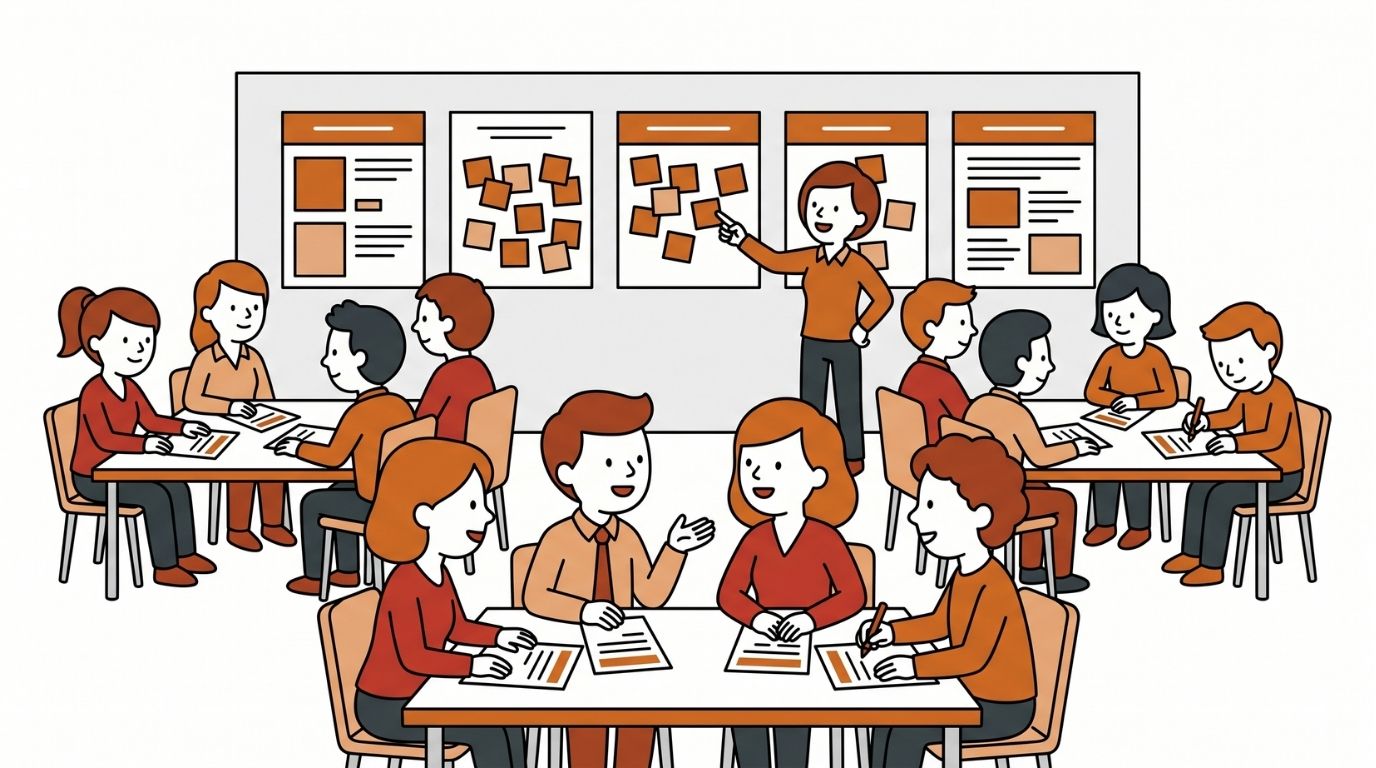
Purpose to Practise Illustration
  1. Home
  2. Workshops
  3. Purpose to Practice

What You'll Achieve with the Purpose to Practice Workshop

Real outcomes that transform your team

1

Achieve a clear, shared purpose that motivates all participants.

2

Establish actionable principles that guide group behavior and decisions.

3

Identify and involve key stakeholders, enhancing collaboration and buy-in.

When to Use the Purpose to Practice Workshop

Perfect for these situations and team challenges

Launching a new team or project where shared ownership is crucial from the start.

Kicking off a strategy retreat that requires aligning operating designs with goals.

How the Purpose to Practice Workshop Works

A step-by-step breakdown of the workshop process

1Step 1: Introduction and Framing

In this initial step, facilitators introduce the Purpose to Practice (P2P) framework, explaining its importance and outlining the five essential elements. Participants are oriented to the process, setting expectations for collaboration and revisions throughout the workshop.

2Step 2: Purpose

Participants engage in a reflective process to define a shared purpose for the initiative. Through individual, pair, and group discussions, they synthesize their insights into a compelling purpose statement that resonates with the larger community and aligns everyone’s motivations.

3Step 3: Principles

This step focuses on establishing non-negotiable rules necessary for achieving the group’s purpose. Participants explore past experiences to identify critical principles, ensuring that they reflect both must-dos and must-not-dos, which will guide the initiative’s operations.

Key Topics Covered in the Purpose to Practice Workshop

purpose to practicedesign processstakeholder engagementcollaborative initiativeshared blueprintorganizational design

Ready to run workshops that create real change?

Two ways to get started:

Choose the path that works best for you

MOST POPULAR

Do it Yourself

Perfect for facilitators, leaders and managers

  • Instant access to sample frameworks
WorkshopBank logo

Team workshops, frameworks and templates you can modify in seconds with our AI

Copyright © 2026 - All rights reserved

Workshops
Premium WorkshopsTeam BuildingChange ManagementAction PlanningPrioritization ActivitiesRisk ManagementProcess ImprovementConference ActivitiesProject ManagementMotivational Activities
Company
PricingRequest DemoTerms of servicesPrivacy policyRefund policy
4

Create a sustainable structure that supports effective decision-making and initiative success.

Redesigning team dynamics when previous approaches have become ineffective.

Forming a consortium or network that requires distributed leadership without a single authority.

Addressing past initiative failures due to lack of cohesion or stakeholder buy-in.

Team Problems the Purpose to Practice Workshop Solves

Say goodbye to these common team challenges

Fragmented planning that leads to unclear roles and responsibilities.

Lack of stakeholder engagement resulting in low buy-in and ownership.

Ineffective team dynamics causing confusion and drift from original goals.

Previous initiatives failing due to top-down approaches and lack of collaboration.

4
Step 4: Participants

The group identifies essential stakeholders who need to be involved for success. Through discussion, they broaden their perspective, ensuring diverse representation and considering individuals outside the immediate group who have a stake in the initiative's outcomes.

5Step 5: Structure

In this step, participants design the organizational structure that will support their initiative. They explore decision-making processes, coordination roles, and how to maintain connectivity without bureaucratic constraints, encouraging creative and functional designs.

6Step 6: Practices

Participants define specific activities and offerings that will operationalize their initiative. They translate their intentions into concrete practices, ensuring that these actions are aligned with the established purpose, principles, and structure. This step solidifies their commitment to tangible outcomes.

7Closing

The workshop culminates with a review of all five elements, allowing participants to reflect on the complete design. They discuss immediate next steps and agree on a plan for revisiting and adapting their shared blueprint over time.

Get the Complete Workshop Framework
  • Experience AI customization firsthand
  • No credit card required
  • Start free trial

    Get a Demo

    See it in action with an expert

    • Watch AI customization live
    • Get personalized recommendations
    • Ask questions about your use case
    Book a demo

    Join 200,000+ facilitators and leaders who've transformed their workshops