
Do the maths on a check-in. Thirty seconds a person, a dozen people, six minutes at the top of the session.
It's usually the first thing cut when the clock looks tight.
Those six minutes buy one specific thing: a room where everyone has spoken once before the agenda starts.
Once a person has spoken once, they speak again more easily for the rest of the session.
So the round you skip to save six minutes is the round that would have raised participation for the whole hour.
Attention doesn't switch on when people sit down. They arrive still in the last meeting, the unfinished email, the thing waiting for them afterwards.
And it doesn't hold steady once they're in. It sags in the middle, usually after lunch.
A group's attention leaks at two predictable points: the threshold and the dip.
The two techniques I've added to the library this week manage exactly those.
One installs attention at the start and the finish. The other rescues it when it drops.
NEW: 2 Facilitation Techniques
You're reading the free version of this newsletter. Pro members get the full library, 315 guides and counting, plus the AI workshop adaptor that customises any guide for your exact group size, timing, and audience. Building a session from a blank page takes about 3 hours. Adapting a tested guide takes 20 minutes. That gap is what your membership buys back, every single week.
→ Start your Pro membership
Check-in/Check-out Rituals
(free download until Tuesday)
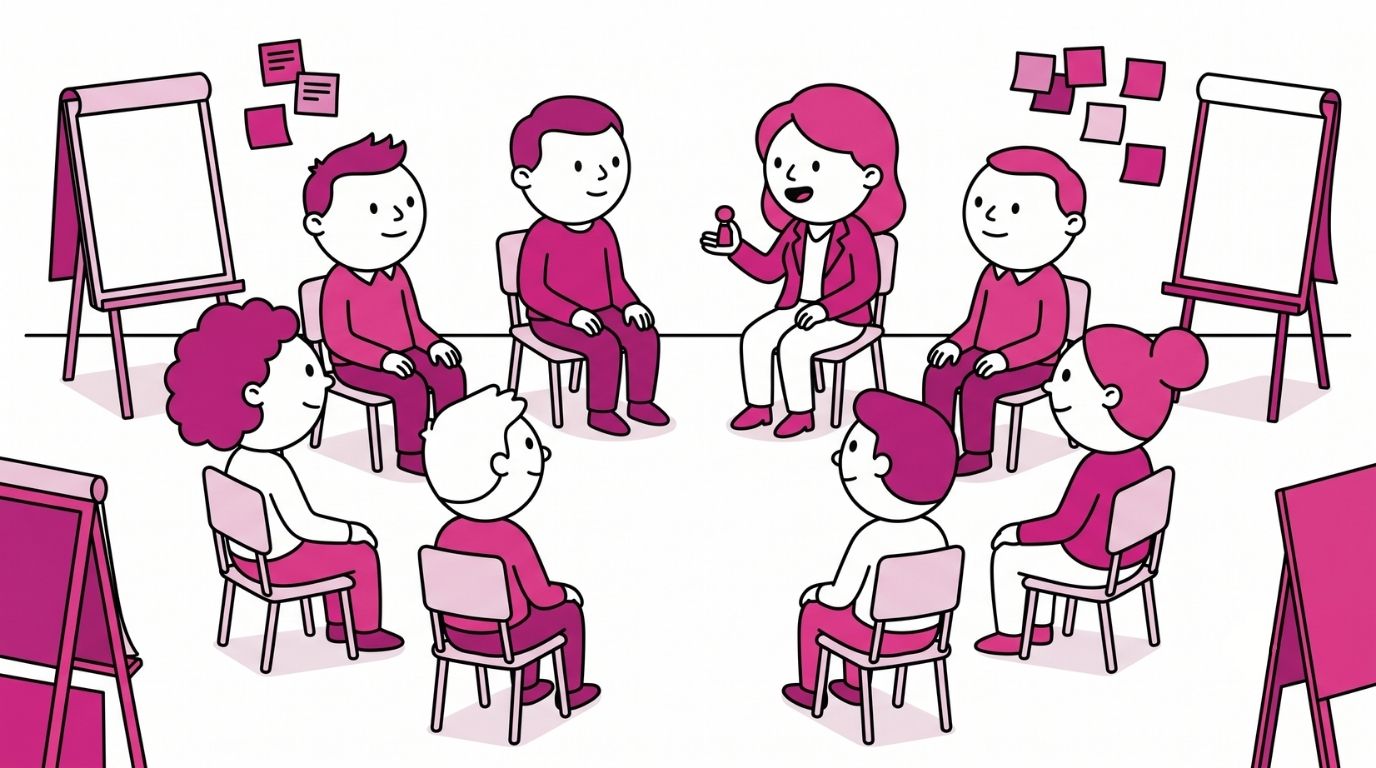
A check-in is a short, structured round that opens a session.
One prompt. Each person answers once, in turn.
A check-out does the same job in reverse at the end, where each person names what they're taking away or what they'll do next.
Instead of sliding into the agenda cold and drifting out when the clock runs down, the group crosses a clear line together at both ends.
It's the simplest tool in this week's pair, and one of the most useful.
Here's how to run the opening round.
Frame it. Say what you're doing and why, in a sentence. "Before we start, we'll do a quick round so everyone gets a moment to arrive." Give the two rules that make it work: one voice at a time, and no cross-talk. No fixing, no responding, no jumping in. Then offer the pass. "If you'd rather not answer, say pass and I'll come back to you at the end." Mean it.
Pose one prompt. Just one. Two questions split attention and double the time. Say it out loud, show it on a screen or a card if you can, and give a few seconds of silence before anyone speaks. Then model the answer yourself first. That sets the length and the tone better than any instruction.
Run the round. Each person speaks once, without interruption. You listen too, and you don't reply to each answer. Keep your reactions neutral and warm. A nod is enough. The moment you praise some answers and not others, you're quietly ranking people. Come back to anyone who passed, and let them pass again if they want.
Bridge into the work. Name the shift on purpose. "Good. Now we know where everyone is, let's get started." The round should lead somewhere, not just happen.
Match the prompt to the trust in the room. Start light and earn the right to go deeper.
- To land people: "What's one word for how you're arriving?"
- To read the room: "One to ten, how much attention do you have for this?"
- Online, for a bit of life: "Show me an object near you that sums up your week."
The power of a check-in isn't the question, though. You could run the same three prompts for a year.
It's the structure: one voice at a time, held with care, until the group trusts it. The magic is mechanical.
And the check-out matters more than the check-in. It's where reflection and commitment happen, where loose thoughts turn into named takeaways, and where a hard session gets a clean landing instead of trailing off into "right, see you next week."
Which sets up the one instruction worth writing at the top of your run sheet: when time is tight, protect the check-out and cut content instead.
Most facilitators do the reverse. They drop the close first, because it feels optional. It isn't. A session with no close teaches the group that endings don't matter, and the reflection you needed most evaporates.
Two more traps to sidestep:
- The status update. "Check-in" drifts into "here's what I'm working on." That's a different meeting. Keep the prompt about the person, not the task.
- Replying to every answer. It slows the round to a crawl and turns listening into grading. Hold your reactions and thank the group as a whole at the end.
That's a complete, runnable version. The full guide in the library goes further: talking-piece variations, how to split a large group so the round doesn't eat the whole session, and prompts matched to different purposes.
Read the full Check-in/Check-out Rituals guide →
Energisers (Pro Members)
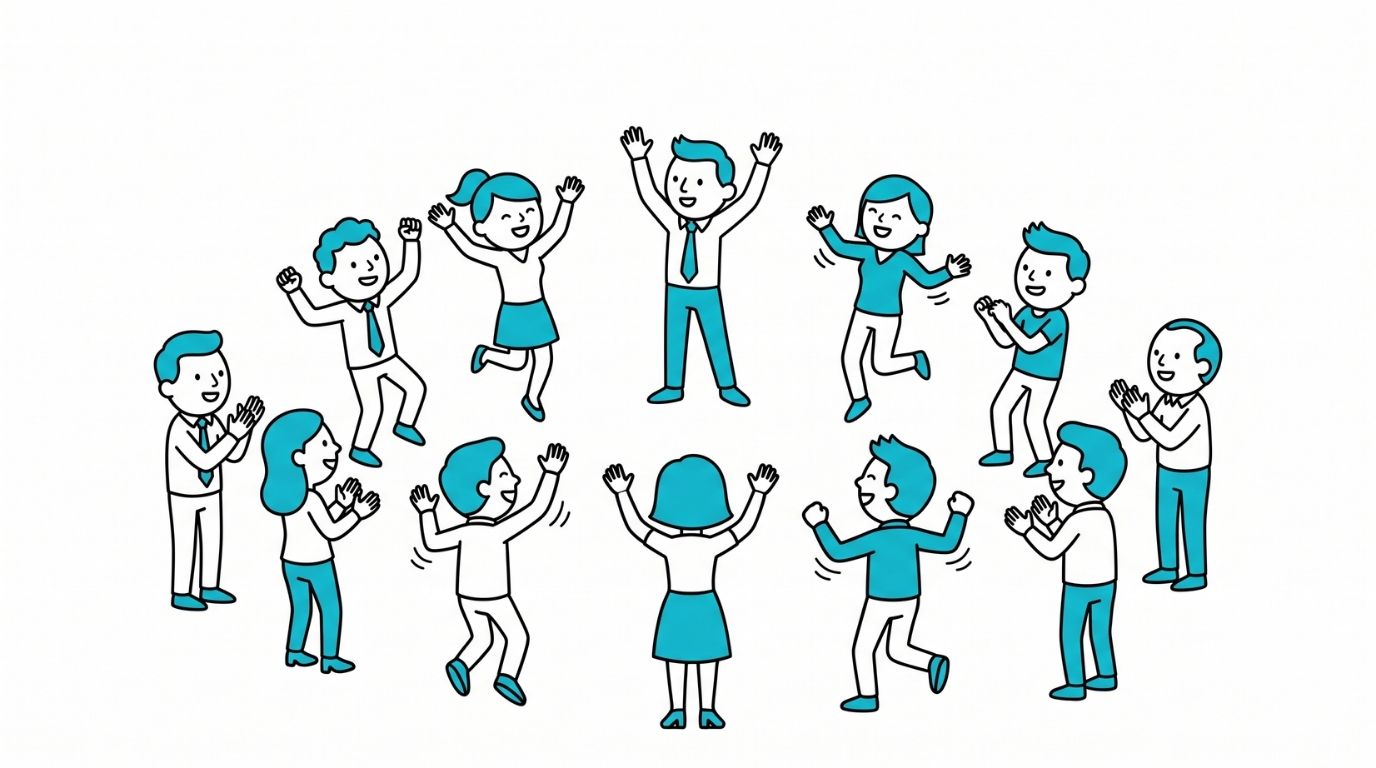
Now the middle of the session. You know the moment. Shoulders slump, phones come out, eyes glaze over.
The obvious response is to push harder through the material, and that's the response that makes it worse.
An energiser is the alternative. A short, lively activity, two to five minutes, that resets the group's state before you carry on.
Post-lunch slump, mid-afternoon flatline, the fragmented group straggling back from breakouts. Different causes, same fix.
The skill is two things: reading, in about ten seconds, whether the group needs a physical lift or a focus reset, and having five or six energisers you can run from memory so you're never improvising in front of a flat room.
Get those right and the activity runs itself.
The Pro guide covers both. How to read the room, how to frame an energiser so people join in willingly instead of cringing, virtual versions that hold up on video, and the counterintuitive part that trips most people up: stop while it's still fun.
Cut it just before the peak, not after it's gone stale. And always, genuinely, let people opt out. One forced participant costs you the trust of the whole room.
Read the full Energisers guide →
Same job, both ends
Neither of these is about filling time with activities. Both do the same thing: managing the one resource that decides whether anything else in the session lands.
A check-in installs attention at the threshold. An energiser rescues it in the dip. Plan the energy the way you plan the content, and the content finally has somewhere to land.
Both guides are live now, which takes the full collection up to 315 techniques in total. Every week you're not a member is another set of sessions you build from a blank page instead of adapting in twenty minutes.
What's in the WorkshopBank library?
315 detailed techniques in the library (at time of publication) and a search that finds the right technique for your next session in seconds.
Every guide follows the same standard: when to use it, when not to, the full process with timings, facilitator notes on what goes wrong and how to recover, and adaptations for virtual, large group, and short-timeframe versions.
Questions? Send me a message using the Contact Us link in the footer. I reply personally.