
Ask ten people to write down one specific change they noticed in how the team works together over the past six months.
Collect those ten stories. Now tell the group to pick the most significant. No ties, no "top three," no compromise. One.
Then watch what happens.
The room will argue. People will push for different stories. Someone will say "but that one shows real impact" and someone else will say "impact on who?"
A third person will point out that the quiet story about a single conversation mattering more than the loud story about hitting a target.
That argument is the point. This technique is designed to produce it.
Because when a group argues about which change matters most, they are telling you what they value, what they measure, and what they think success looks like.
All without you ever asking those questions directly.
This week, two new facilitation technique guides landed in the WorkshopBank library. The full library is now at 313 techniques.
NEW: 3 Reflective Techniques for Teams
The WorkshopBank Pro library hits 313 techniques this week and grows every Saturday. Lock in your Pro membership today for full access to every technique, plus AI customisation to tailor each one to your exact group size, audience, and timing.
→ Start your Pro membership
Most Significant Change
(free download until Tuesday)
You finish a programme review. Someone asks "so, did it work?"
You open the evaluation report. Satisfaction scores. Attendance numbers. Completion rates. Everything looks fine on paper.
But you know that "fine on paper" is not the same as "made a difference."
The numbers tell you what happened. They do not tell you what mattered.
Most Significant Change skips the spreadsheet entirely. Instead, you ask people to tell stories about changes they have witnessed or experienced.
Specific stories. Not impressions, not ratings, not general feelings. A moment when something shifted.
Then you make the group fight about which story matters most.
How it works
You set up domains of change before the session. These are broad, deliberately loose categories: "changes in how people work together," "changes in confidence or capability," "changes in how decisions get made."
Three to five domains is plenty. They guide the storytelling without constraining it.
Every participant writes a story. You give them a simple prompt:
"Looking back over the past six months, what do you think was the most significant change in [domain]? Describe what happened. Then explain why you believe this change is significant."
Two things matter.
First, the story needs to describe a specific event, conversation, or moment.
Not "communication improved" but "in the March planning meeting, two people who had never spoken directly to each other co-presented a proposal they had built together over lunch."
Second, the "why is this significant" explanation is where the value lives. That explanation reveals the storyteller's priorities and assumptions.
The selection round
This is where the technique earns its name.
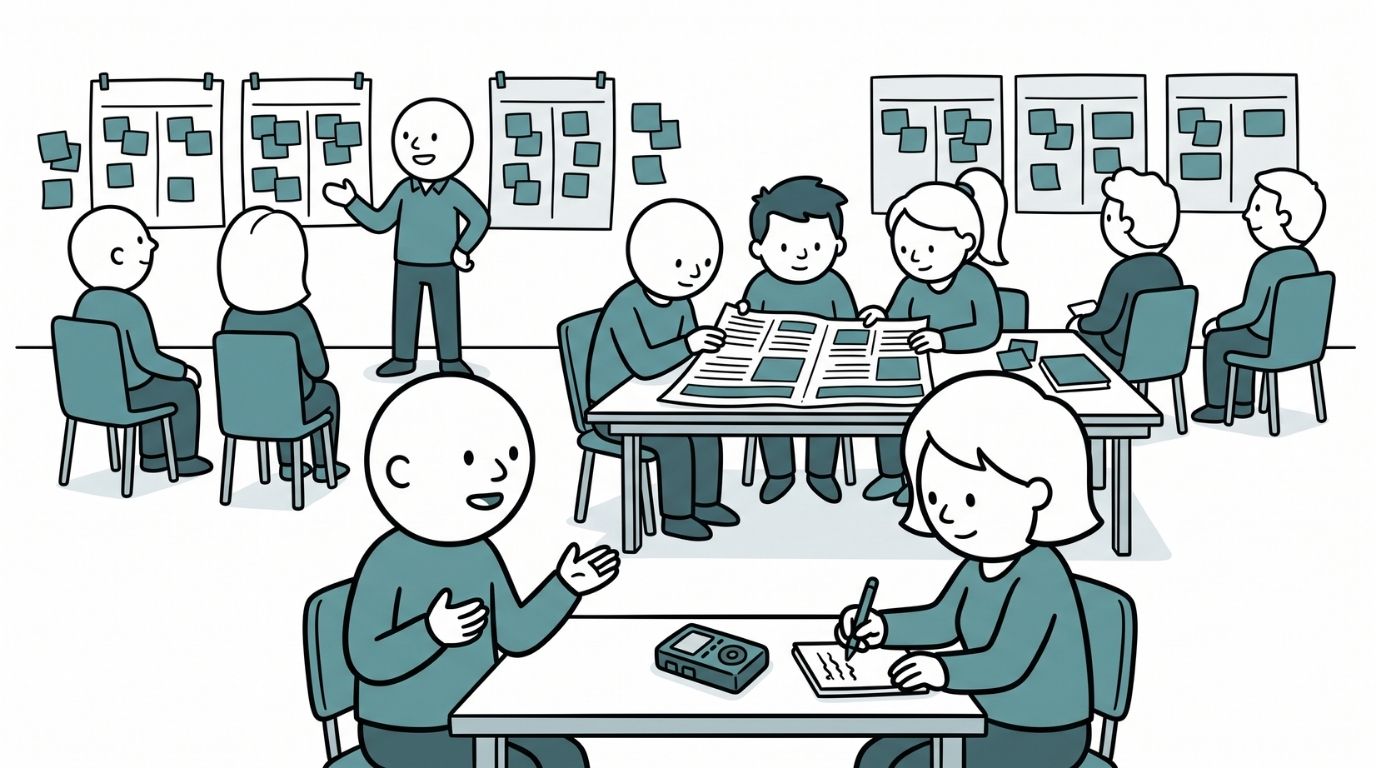
Split the group into tables of four to six. Each person reads their story aloud. Then the table has to pick one. Not their favourite. Not the most dramatic. The most significant.
Give them 25 to 35 minutes. Walk the room.
If a group picks too quickly, push them: "What makes that story more significant than this one? What would you lose if you chose differently?"
Watch for tables gravitating toward the most emotional story rather than the most significant one.
Those are different things. Name it when you see it: "Is this the most dramatic change or the most significant one?"
Once each table has selected, bring the full group together. Each table presents their story and their reasons. Then the whole room selects one from the shortlist.
The selection conversation is the product
The selected story matters, but the conversation about why you selected it matters more.
When someone argues that a story about a single person finding their voice in meetings is more significant than a story about a team hitting its quarterly target, they are making a claim about what progress looks like.
When someone else pushes back and says the target story shows measurable results, they are making a different claim. Both are revealing their criteria for success, and neither would have surfaced in a standard debrief.
Your job as facilitator is to name what you hear: "Some of you are drawn to stories about individual change and others to stories about systemic change. What does that tell you about how you define impact?"
What you need
Eight to thirty people. Below eight, you lack enough stories for a real selection. Above thirty, use a tiered approach where tables feed into a plenary round.
Ninety minutes minimum. Two to three hours is better. Do not compress the selection discussion to save time. If you are short on time, reduce the number of stories collected, not the time spent debating them.
Paper, pens, flip chart paper, markers, and enough wall space to post stories during selection. No technology required.
One thing to protect
Do not let a senior person steer the selection. If a director is in the room and visibly advocates for a particular story, the deliberation collapses. You lose the honest argument about values and get a room full of people agreeing with the director. If you are running MSC with mixed seniority, brief senior participants beforehand: "Your role in the selection is to listen more than advocate."
→ Read and download the full Most Significant Change guide
Learning Histories
(this week's technique for Pro Members)
The problem it solves: A team runs a successful pilot. An initiative produces unexpected results. A project fails in ways nobody predicted. Six months later, the people involved have moved to new roles or left the organisation. The lessons from that experience are gone.
Standard debriefs produce a report with bullet points that nobody reads.
Retrospectives capture the moment but not the full arc.
Learning Histories work differently.
You interview 8 to 15 people who lived through the experience, then build a two-column document. The right column holds their words, verbatim. The left column holds questions and observations designed to make readers stop and think: "Three people described this meeting differently. What might that tell us about how information was flowing?"
The document is not the end product. The dissemination workshop is.
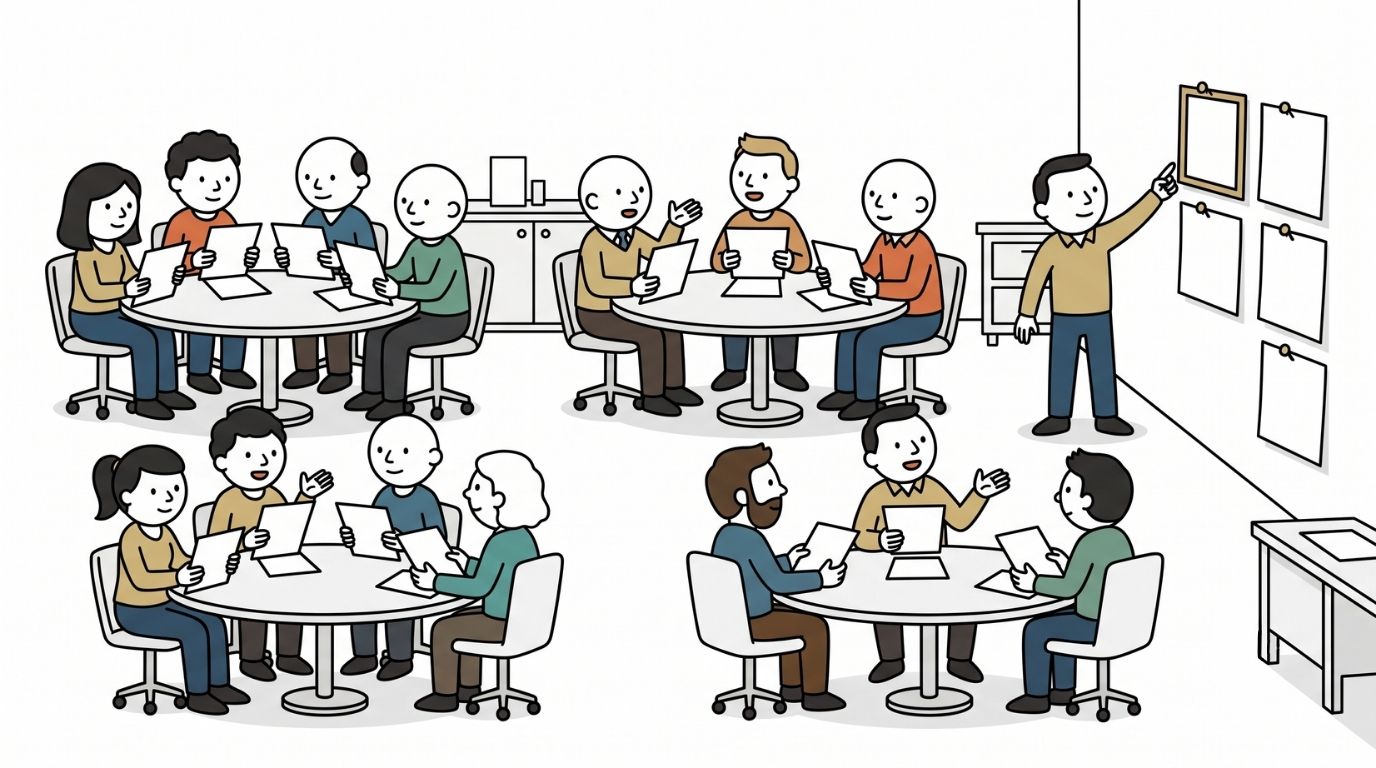
You gather a mix of people who were there and people who were not, give them the document, and facilitate a conversation about what it reveals.
The whole process runs over weeks, not hours. Interviews, writing, verification with participants, then the workshop.
It is a serious investment. But when critical lessons live in people's heads and walk out the door with them, a two-page retrospective summary is not going to cut it.
The full guide in your Pro library covers the interview process, how to build the two-column format, the verification step that protects trust, and the dissemination workshop structure.
→ Read and download the full Learning Histories guide
Two new guides this week. Both give you the full process: step-by-step facilitation instructions, timing breakdowns, group size ranges, common pitfalls with recovery moves, virtual adaptations, and real-world applications.
Every week, the library grows. Every week, the gap between what you have access to and what Pro members are using gets wider.
→ Join Pro and get instant access to all 313 techniques
Questions? Send me a message using the Contact Us link in the footer. I reply personally.