A free workshop for a team that's "fine"
The team that works well enough is the one most at risk
Ask a team leader how the team is doing and the answer is usually one word.
"Fine."
Not brilliant. Not in trouble. Fine.
Fine is a dangerous word for an established team. It means the team has stopped looking.
A team in crisis gets attention.
Something breaks, someone escalates, people rally to fix it.
A team that is fine gets nothing, because nothing is on fire. And that is exactly when decline sets in.
Feedback stops, because it feels easier not to bother.
Decisions drift, or default to whoever is most senior or most insistent.
Trust plateaus, and people slide back to double-checking each other.
It is all quiet, and there is no single bad moment you could point to.
The team just gets a little worse, week by week, while everyone agrees it is fine.
Here is the problem. Almost no team has an honest, shared read on how it is actually doing.
It runs on a feeling, and the feeling is usually whatever the most influential person says out loud.
The person who senses things are sliding says nothing, because the meeting has moved on.
So the drift goes unmeasured. By the time a fine team admits it has a problem, the problem has been there for months.
This week I want to give you the fix for that, free.
The Team Health Check is a two-hour workshop that turns "fine" into something a team can see.
Everyone rates the team honestly and privately across the areas that make a team work well.
The scores go up on the wall, so the whole team sees the picture at once, including the gap between the person who thinks things are great and the person who thinks they are not.
The team then talks through what sits behind the numbers and picks the one or two areas to work on.
It replaces a vague feeling with a shared read and a decision. And because the team chooses its own focus from its own data, it acts on the result instead of filing it.
It is free for everyone this week, whether or not you are a Pro member.
(Already a Pro member? It is in your library, along with the other 5 team workshops below.)
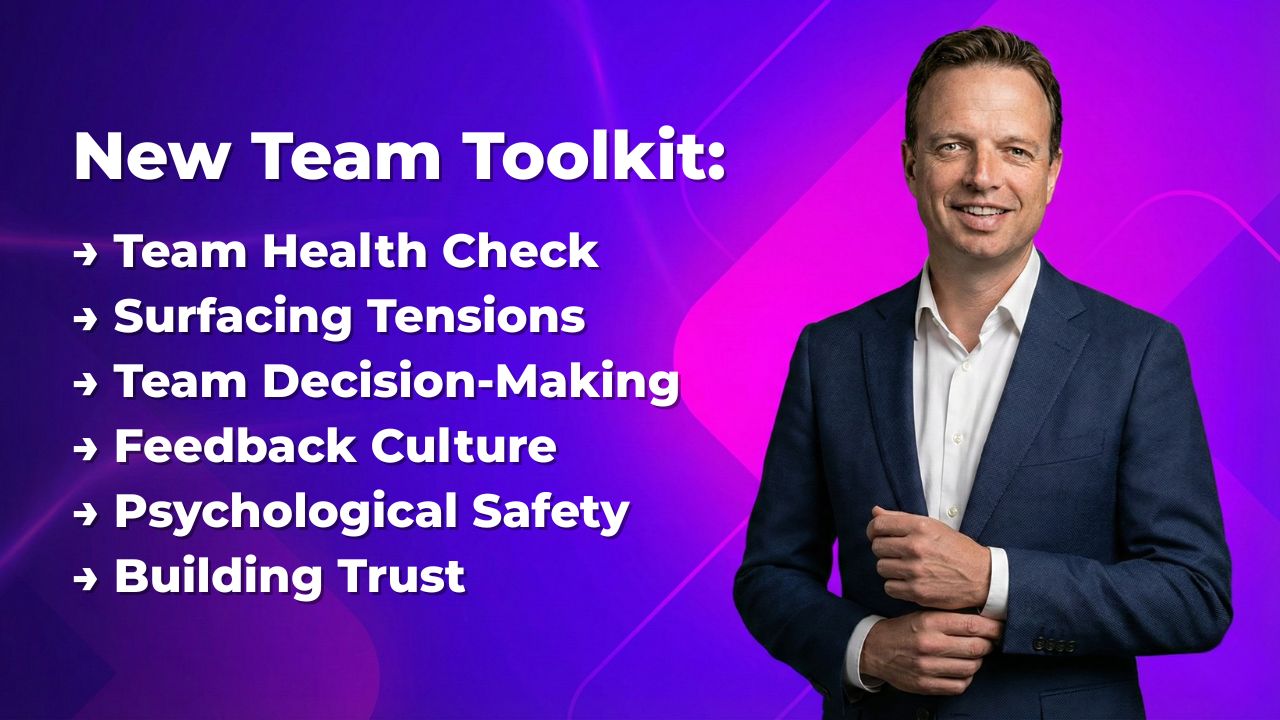
The Health Check shows a team where to look. The other five Strengthening workshops are what you do about what it finds.
A quick map, because the toolkit is nearly complete.
- Six Forming workshops for brand new teams landed last week.
- Six Strengthening workshops for established teams are live now.
- Four more next week for helping teams through change complete the pack.
Here are the five for this week.
Surfacing Tensions
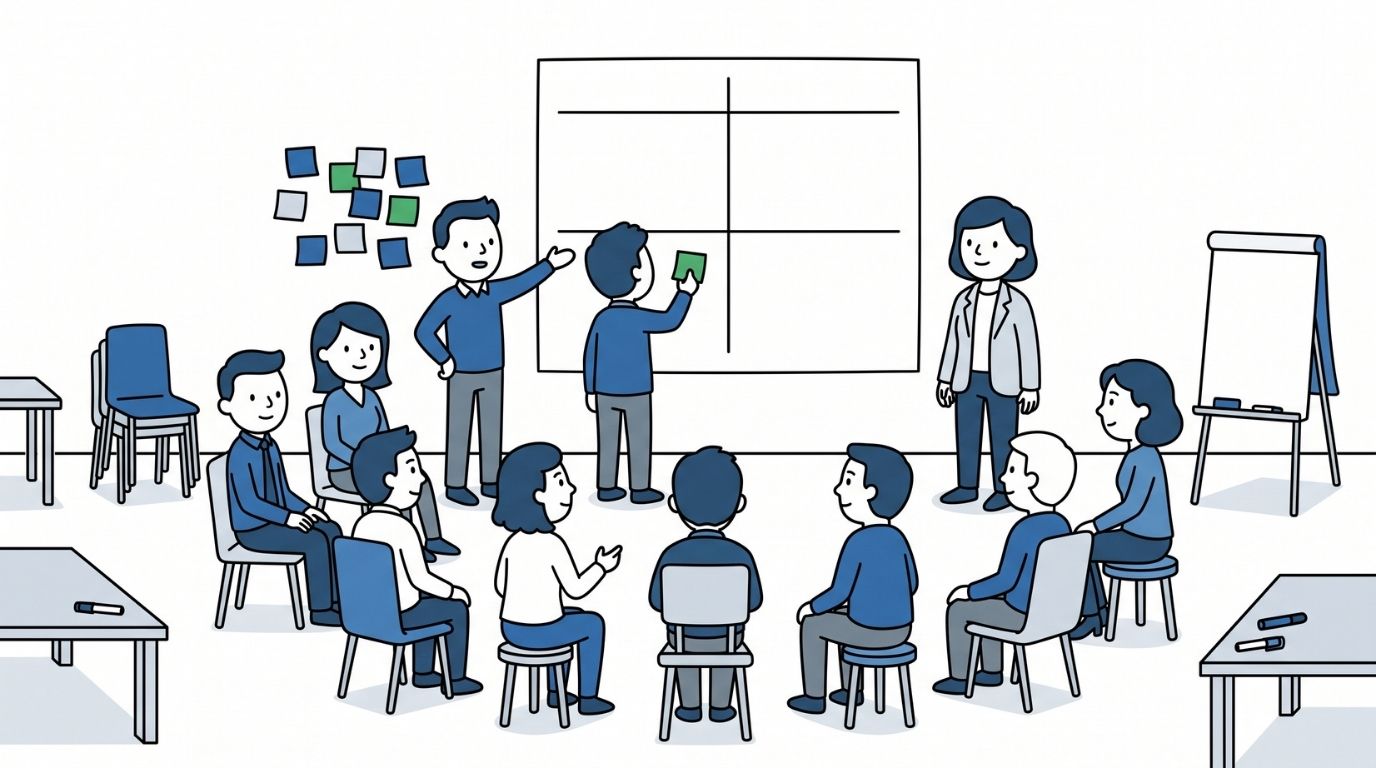
Every team has the thing nobody says in the room: the disagreement everyone dances around, the friction between two ways of working, the gripe muttered in the corridor but never raised at the table. Left alone it drains energy and quietly erodes trust. This makes it safe to name those tensions, and to tell apart the ones a team can solve from the ones it simply has to manage, which saves a lot of effort spent trying to fix what is really an ongoing balance.
Team Decision-Making
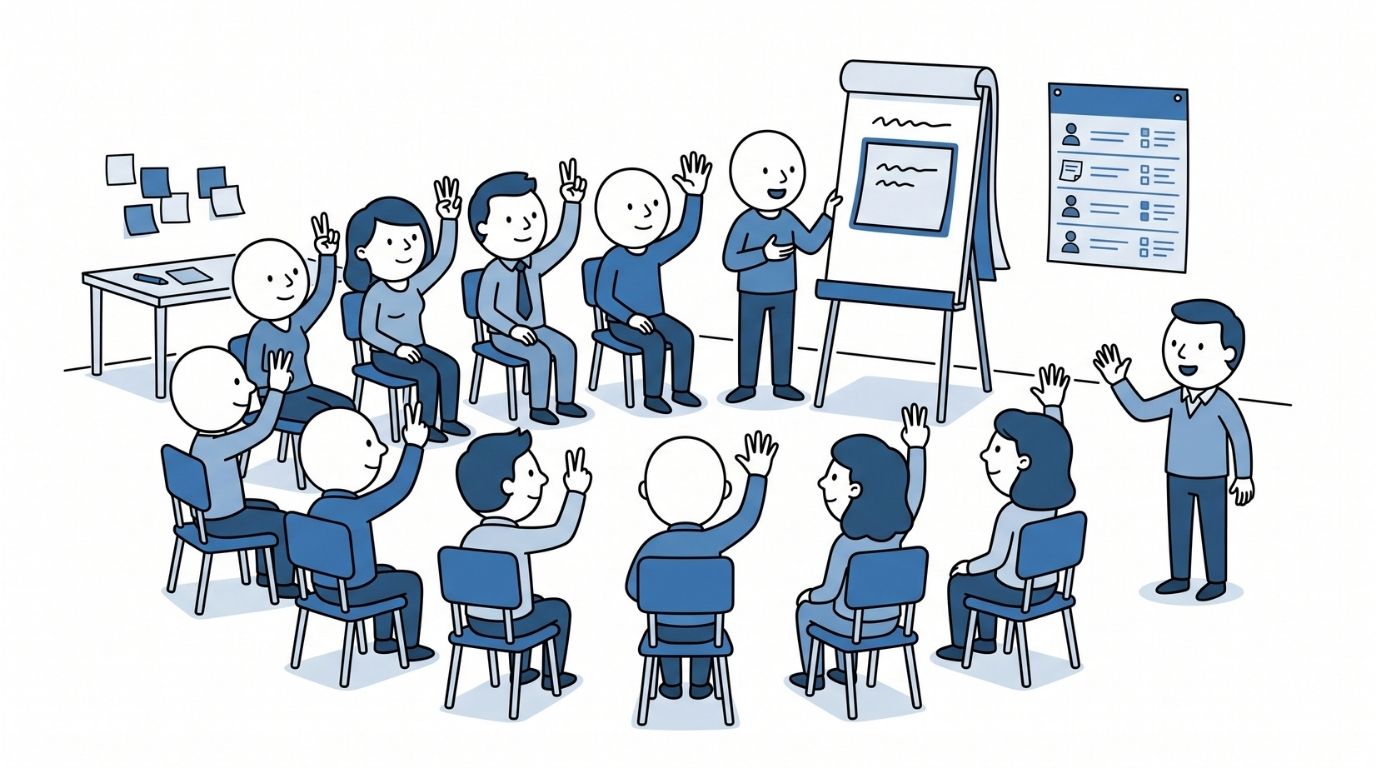
Some decisions drift for weeks chasing agreement on things that barely matter. Others get quietly settled by whoever is most senior or most insistent, and everyone else leaves the room unclear and uncommitted. This gives a team a shared way of deciding, a menu of methods matched to the kind of decision, and the practice to run one cleanly, so calls get made faster and actually stick.
Feedback Culture
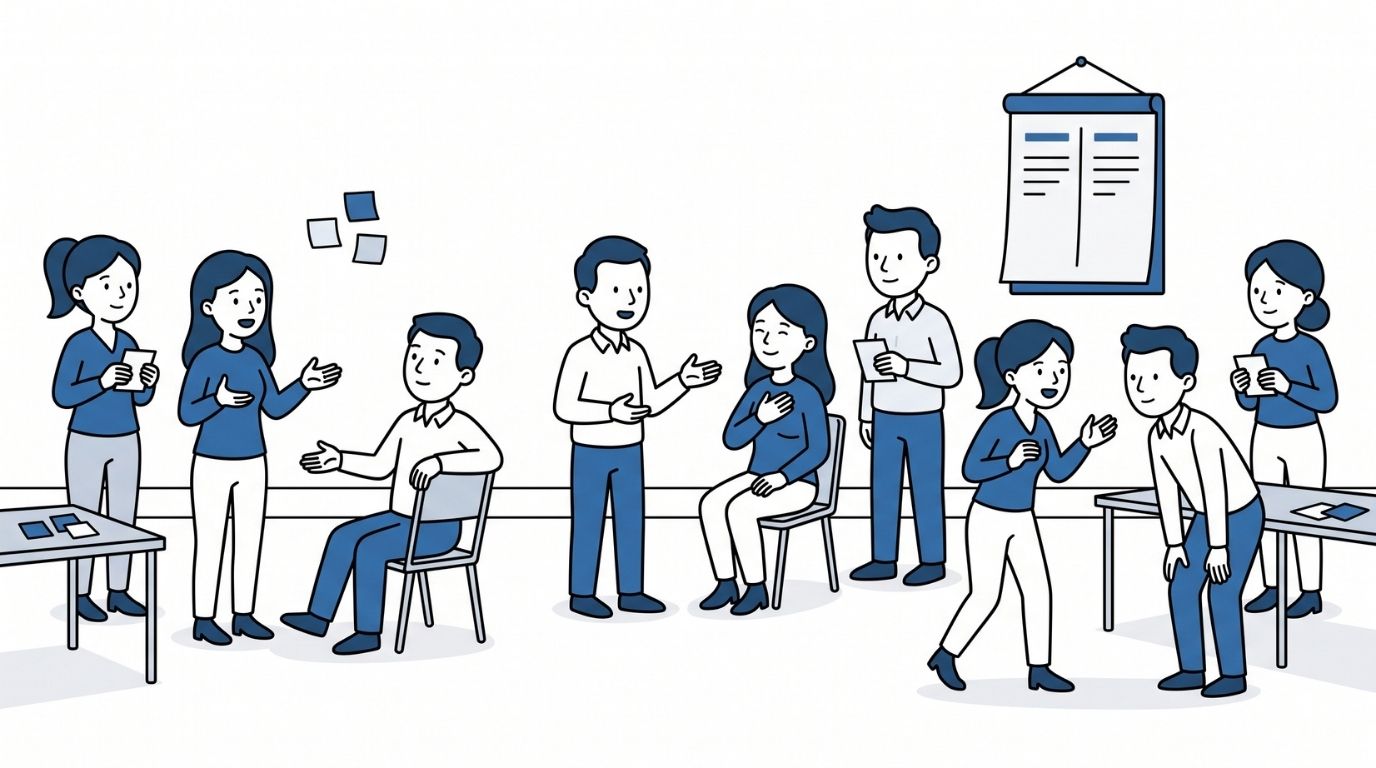
Most teams handle feedback in one of two ways: they avoid it until the problem has festered, or they deliver it so bluntly it lands as an attack. Both leave people guessing where they stand. This builds a shared, simple structure for giving feedback clearly and kindly, and for taking it without getting defensive, so feedback becomes a normal habit rather than a rare, dreaded event.
Psychological Safety
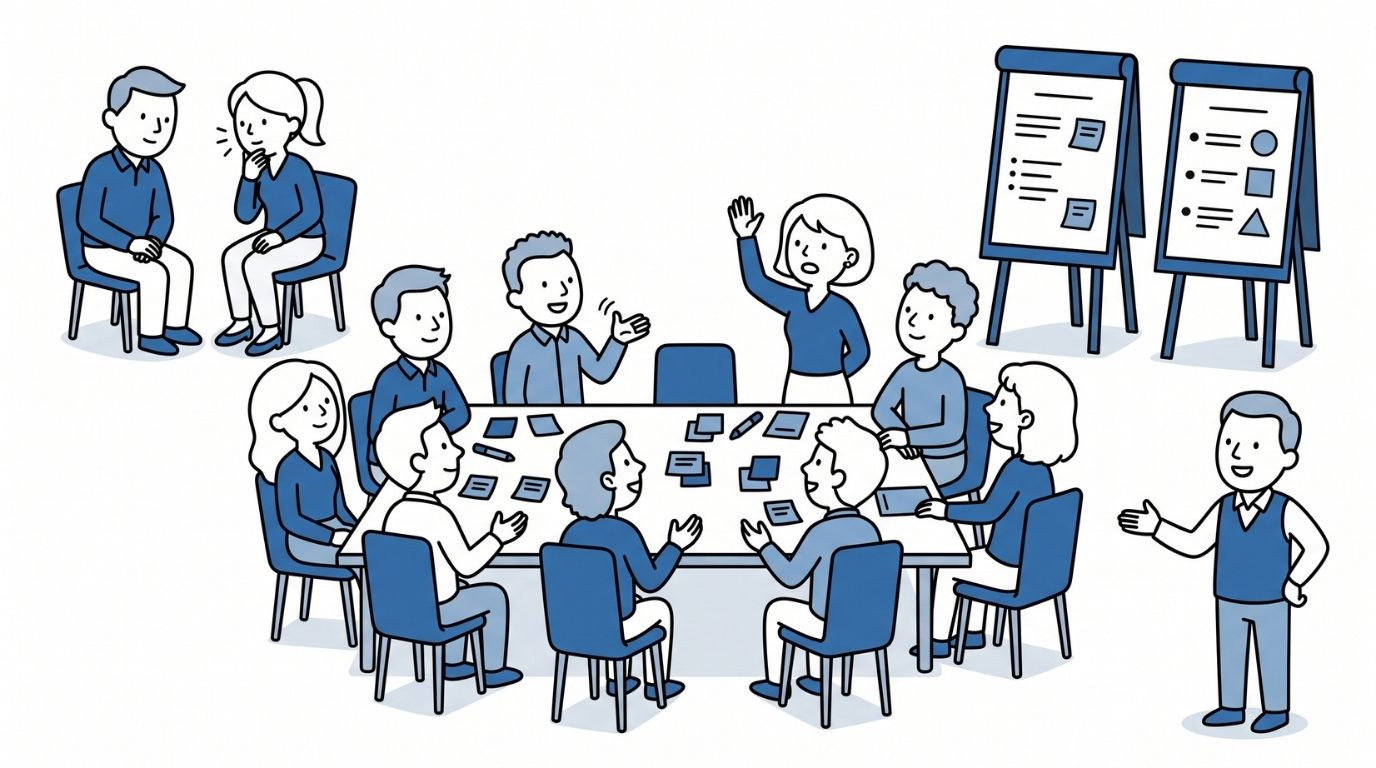
When it feels risky to speak up, people stay quiet about mistakes, doubts and half-formed ideas, and the team pays for it in problems caught too late. This names where people currently hold back and why, works out which behaviours open the room up and which shut it down, and makes safety concrete: specific things people can actually do.
Building Trust
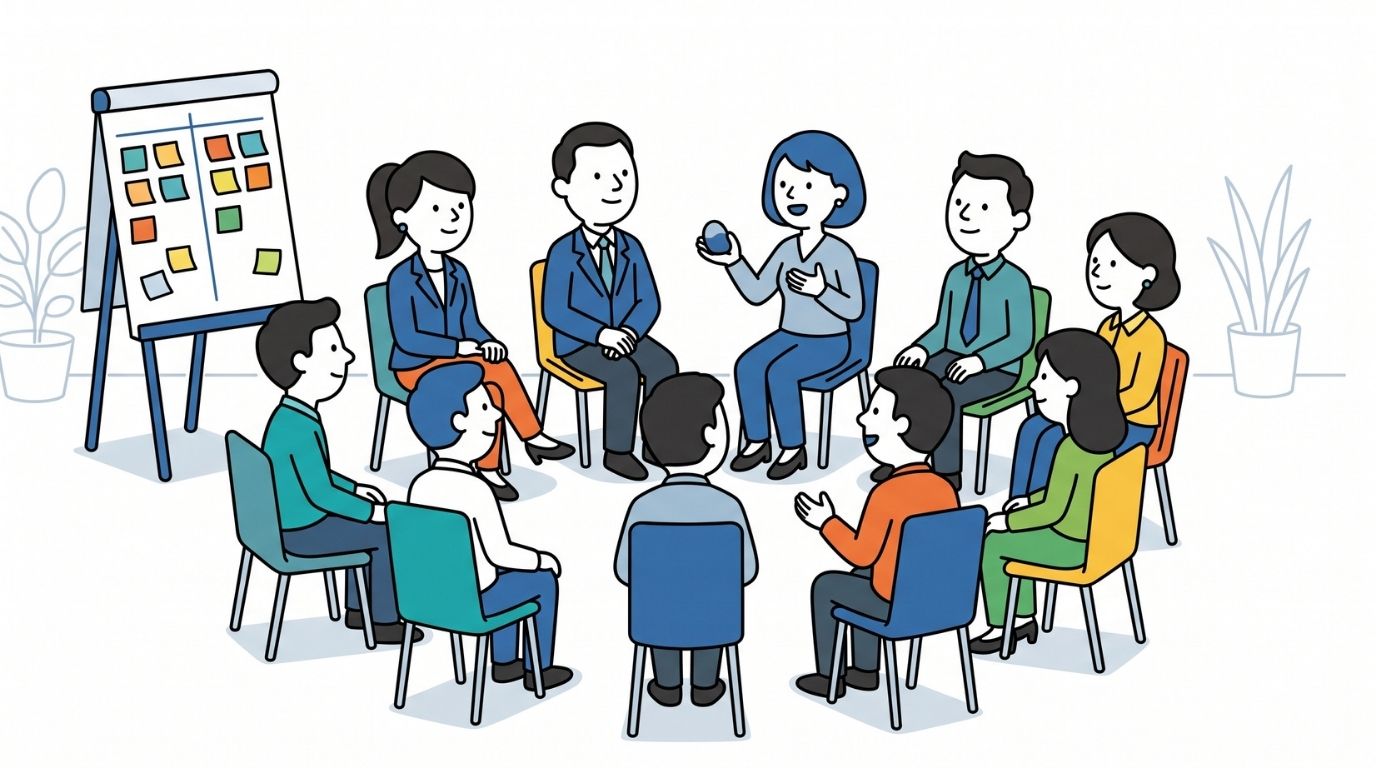
Trust is the quiet foundation the rest of this rests on. Where it is low, people hedge, second-guess and cover themselves, and the work slows for reasons nobody can quite name. Once a team is past its early days trust rarely deepens on its own, so this makes space for it on purpose, moving a team from working alongside each other to relying on each other.
Save money by locking in Pro before this toolkit is complete...
- All six Strengthening workshops, and all sixteen in the Team Toolkit, sit inside Pro membership, alongside every technique in the library. That is 330 consultant-grade frameworks today, with more added every week.
- Pro is $156 a year right now, or your local equivalent. When the last four workshops land next week and the Team Toolkit is complete, that price rises 20%.
- Join before then and your rate is locked for as long as you stay a member. The rise never touches you. Wait, and you pay the higher price every year, for the same library you could lock in today.
The best time to check a team's health is while it still feels fine. That is when the fix is still small, and when a team gets to choose what to work on rather than wait for something to break.
The Health Check is free this week. Run it with a team, and if it turns up something worth working on, the workshop that handles it is already there.
Questions? Send me a message using the Contact Us link in the footer. I reply personally.
See you next week for 4 workshops to help established teams through change!