
Hand everyone a pen. Tell them to stop talking. Give them six minutes and a single question.
That is the opening move of one of this week's three new techniques. It produces more honest reflection than 30 minutes of open group discussion.
Writing separates thinking from performing. People stop worrying about how they sound and start paying attention to what they think.
This week, three new detailed guides landed in the WorkshopBank library.
All three solve the same problem you hit when you ask a group to reflect and get back polite, surface-level answers.
The library is now at 307 techniques.
NEW: 3 Reflective Techniques for Teams
The WorkshopBank Pro library hits 307 techniques this week and grows every Saturday. Lock in your Pro membership today for full access to every technique, plus AI customisation to tailor each one to your exact group size, audience, and timing.
→ Start your Pro membership
Journaling Prompts (facilitated)
(free download until Tuesday)
You run a two-hour session. Good energy, solid discussions, people contributed.
At the end you ask what they're taking away.
You get "it was really useful" and "lots to think about."
Polite. Vague. Gone by Monday.
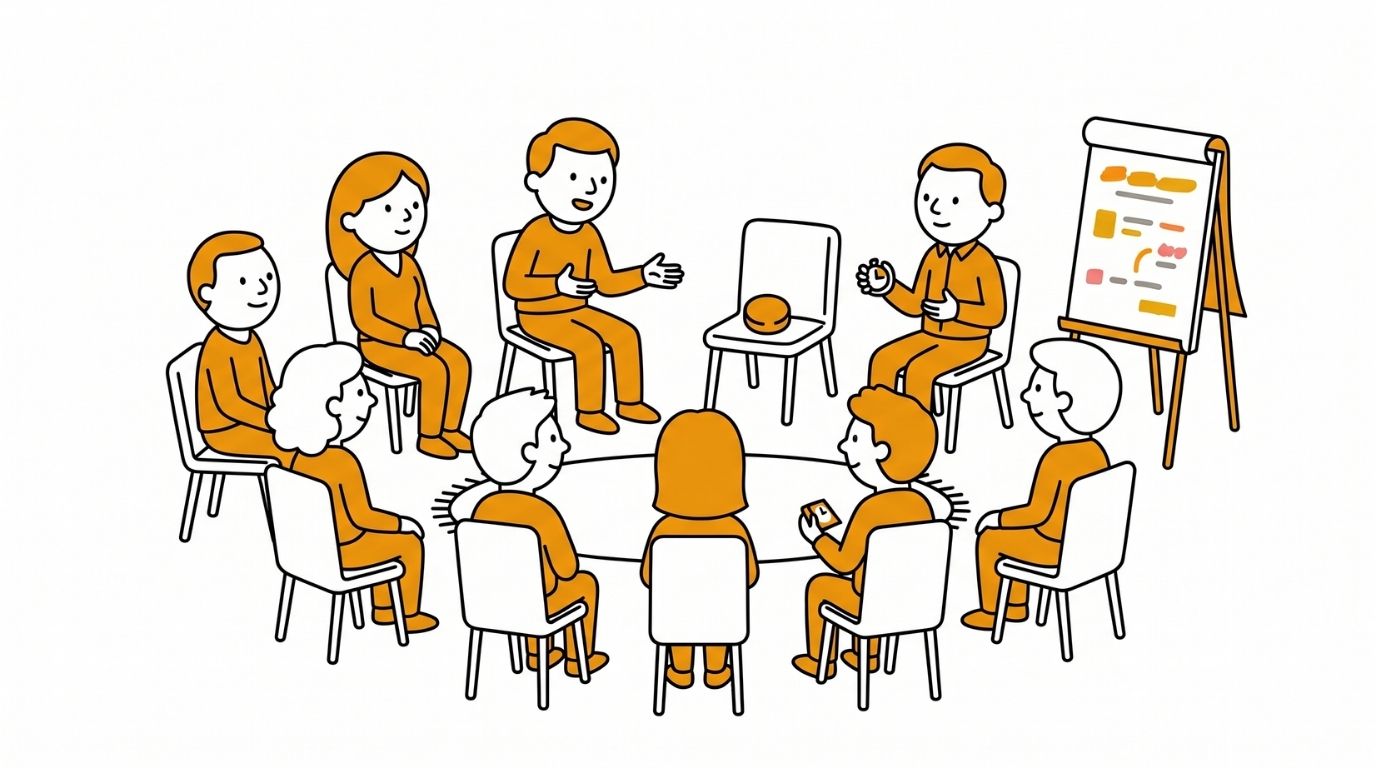
Facilitated journaling changes the channel. You give people time to write first. Private, silent, uninterrupted writing. Then you invite them to share what they chose to share.
The people who need more processing time contribute just as much as the ones who think on their feet.
The process runs in cycles. You reveal a prompt, give six to ten minutes of writing time, then open a short sharing round in pairs or small groups. Each cycle goes deeper than the last.
Here is a three-prompt sequence you could use for a team effectiveness session:
Round 1 (warm-up): "What is on your mind right now? What did you bring into this room with you today?"
Round 2: "Think about a time when this group was at its best. What conditions made that possible? What was your role in creating those conditions?"
Round 3: "If you could have an honest conversation with this group about one thing that is not being said, what would it be?"
The warm-up matters. If you skip it and jump straight to a deep prompt, you get shallow answers.
The first round is the on-ramp. It lets people get comfortable with the pen-to-paper rhythm before you ask them to go somewhere real.
What you need: 4 to 30 people, 30 minutes minimum (one prompt cycle) or 60 to 90 minutes for three or four rounds. Paper, pens, a timer, and your prompts written out on flip charts or slides so people can refer back while writing.
The move most facilitators miss: Sit down and write alongside the group during the writing periods. If you walk around the room, people become self-conscious about what they are putting on the page. Your stillness is part of the design.
→ Read the full Journaling Prompts guide free on WorkshopBank
For Pro Members this week
Storytelling Circles
You have a group where the same three voices dominate every conversation. You want to build empathy across different roles or backgrounds. You need people to connect as people before they start working together.
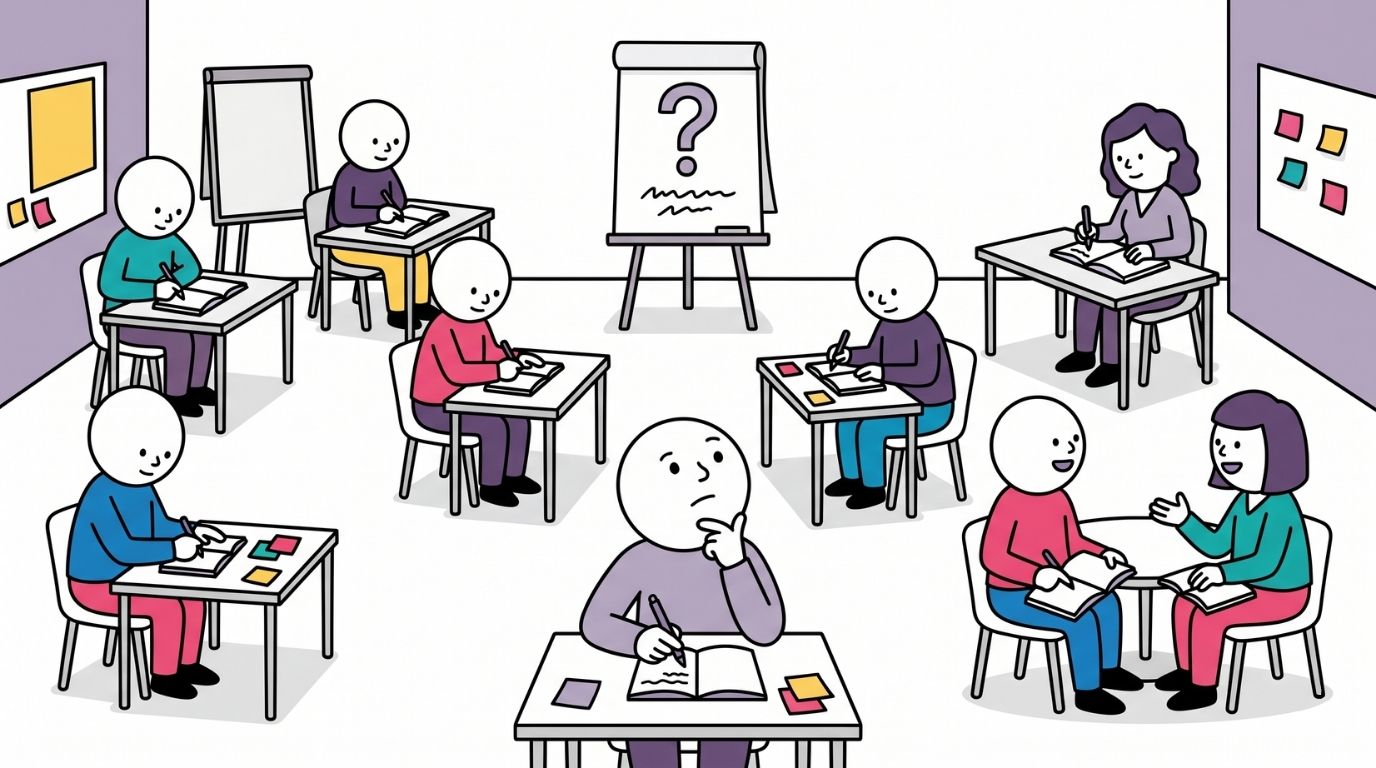
Storytelling Circles solve this structurally. You sit the group in a circle, give them a single prompt ("Tell a personal story about a time when..."), and each person gets equal time to speak.
While one person talks, everyone else listens. No questions, no comments, no reactions until the full sharing round is complete.
You tell your story first. This sets the depth, the length, and the tone. If your story is safe and surface-level, expect the same from the group.
A personal story changes how the room listens. When someone describes what actually happened to them, people who would push back on an opinion sit quietly with the experience, because there is nothing to contest.
→ Read the full Storytelling Circles guide on WorkshopBank
Critical Incident Technique
You are in a session where someone says "we need better communication."
Everyone nods. Nobody specifies what that means. The conversation stays abstract, and the group leaves with a vague commitment to "communicate more."
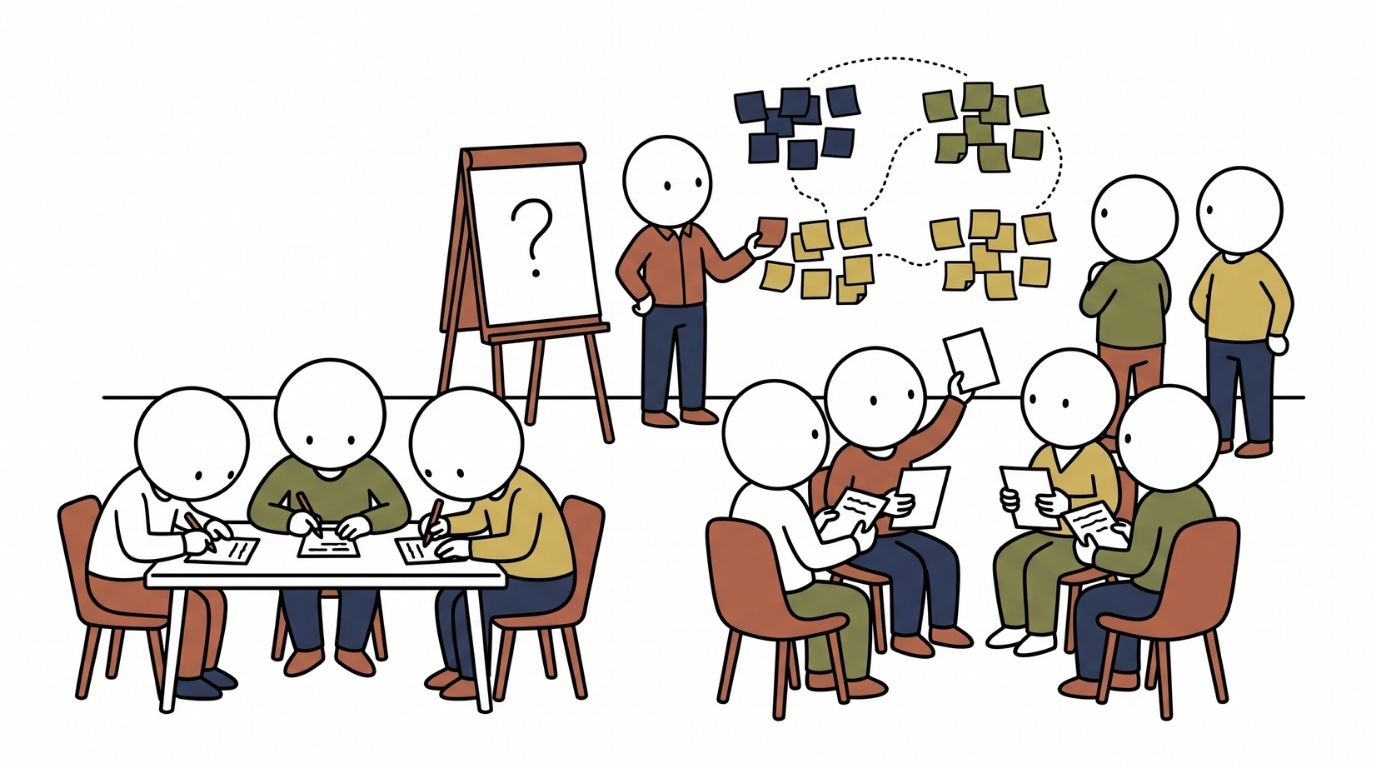
Critical Incident Technique forces specificity. You ask the group to recall particular moments where something went notably well or notably poorly. Real events, with real details: who was involved, what happened, what led up to it, what broke.
You collect these incidents individually on paper first (so dominant voices do not shape what gets remembered), then share in small groups, then cluster them on a wall to find patterns.
Seven of twelve incidents mention the same handover problem? That is your systemic issue, grounded in evidence.
→ Read the full Critical Incident Technique guide on WorkshopBank
Three techniques, three different channels for getting past "it was fine" and into what actually happened, what it meant, and what to do next.
All three are in the library now, bringing the total to 307 consultant-grade facilitation techniques at the time of writing.