Why most teams form by accident, and how to fix it
Announcing the Team Toolkit: 16 workshops for the life of a team
Most teams start working before they've agreed how to work.
People get assigned. A start date lands. Work begins.
Nobody stops to agree how decisions get made, who owns what, or what good looks like.
The team forms anyway. But it forms by accident.
And the patterns it sets in those first few weeks are the patterns it keeps.
Whether people speak up in the first difficult meeting.
Whether roles are clear or quietly contested.
Whether everyone is working towards the same goal.
These get decided early without anyone noticing, and then they harden.
A team that never agreed how it makes decisions will still be arguing about it two years later.
A team that never named who owns what will still be dropping the same handoffs.
Most teams live with this for years. A few structured conversations in the first month would have closed the gaps.
Almost nobody has them, because nobody owns the job of forming the team on purpose.
This is what the new Team Toolkit is built for.
The WorkshopBank technique library you already know gives you methods to build your own session.
The Team Toolkit gives you the finished session.
Each one is a complete workshop:
- Two hours, 8 to 16 people, ready to run tomorrow.
- Running order with timings.
- The exact words to open each exercise.
- The Secret Sauce for the moments that get uncomfortable.
- The debrief questions to ask when a group goes quiet.
The Toolkit follows the actual life of a team:
Forming → Strengthening → Renewing
Teams form. Then they need strengthening to stay healthy. Then change hits, and they have to renew.
Sixteen workshops mapped to those three stages.
The six Forming workshops are live in the library now. Strengthening and Renewing land over the next two weeks.
Here are the six, in the order a team forms. Pick the ones you need.
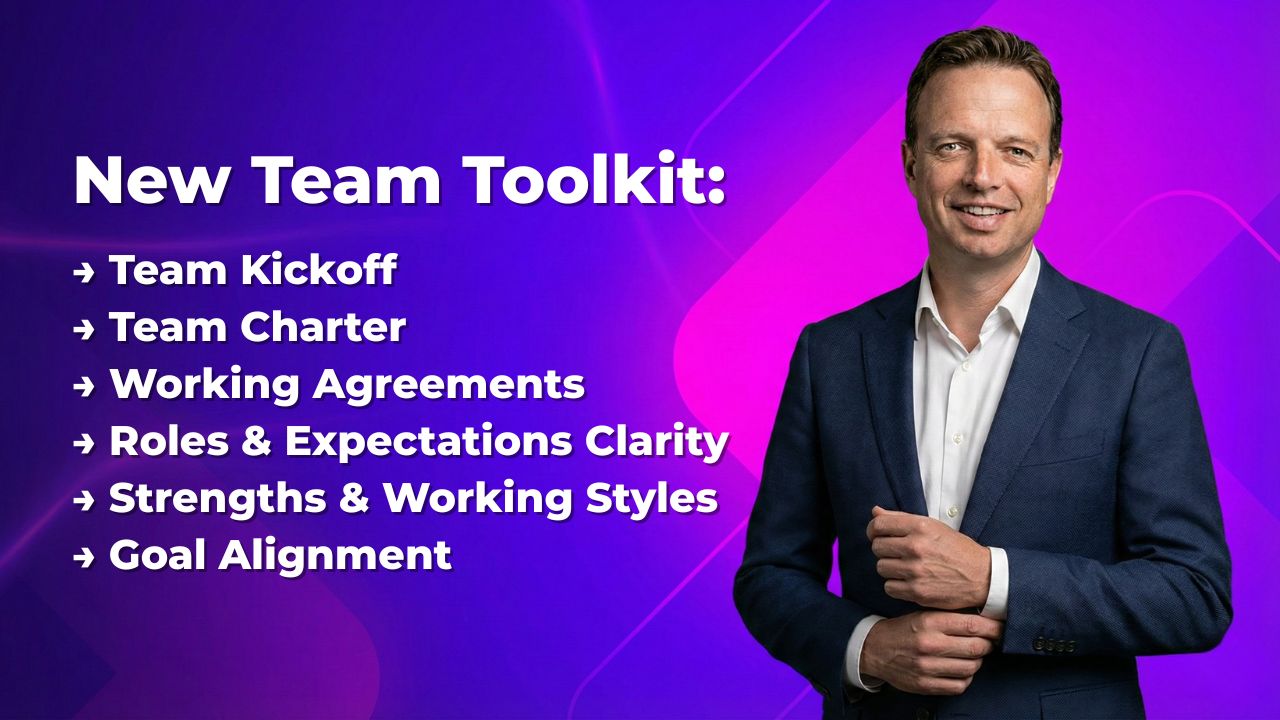
Team Kickoff
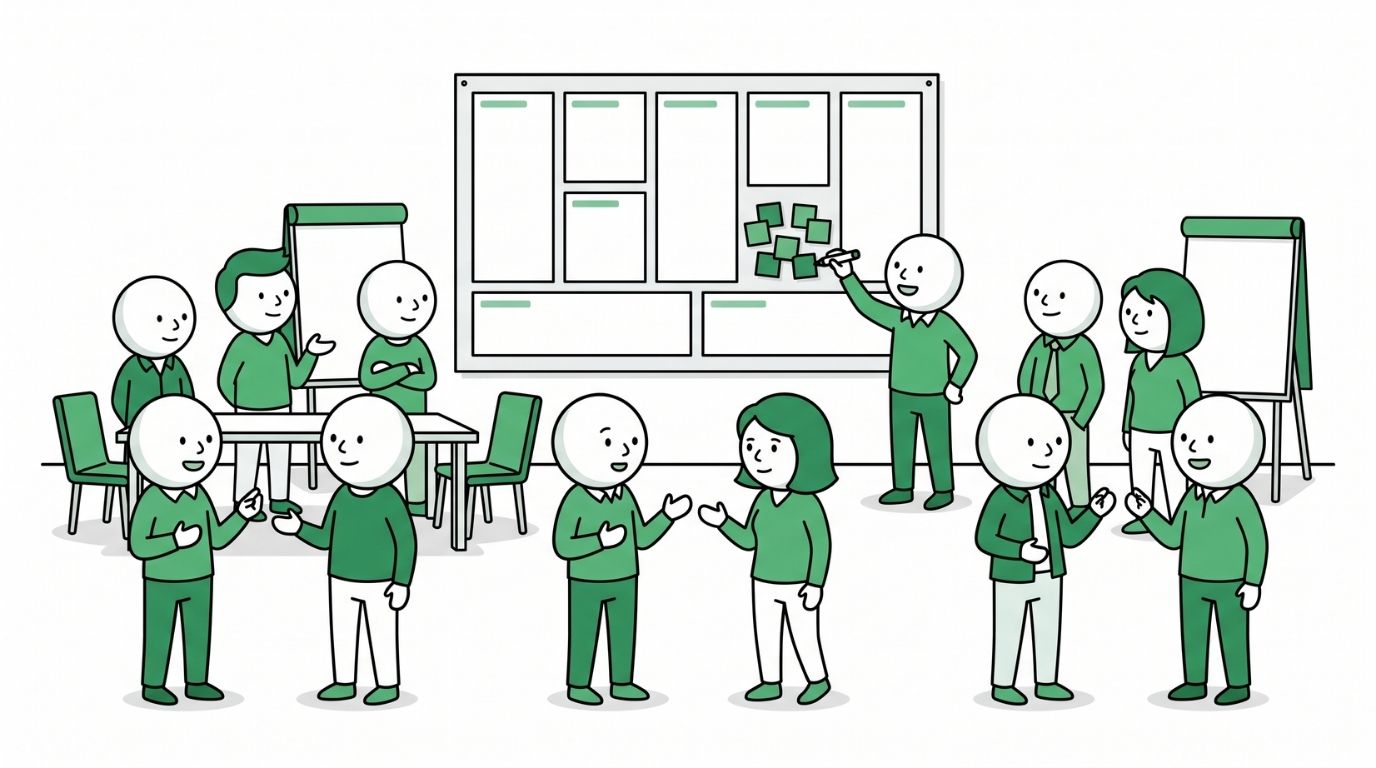
A new team is a room full of individuals, not yet a team. Kickoff turns them into one, with a shared starting point on purpose, goals and ways of working, before old habits set in.
Team Charter
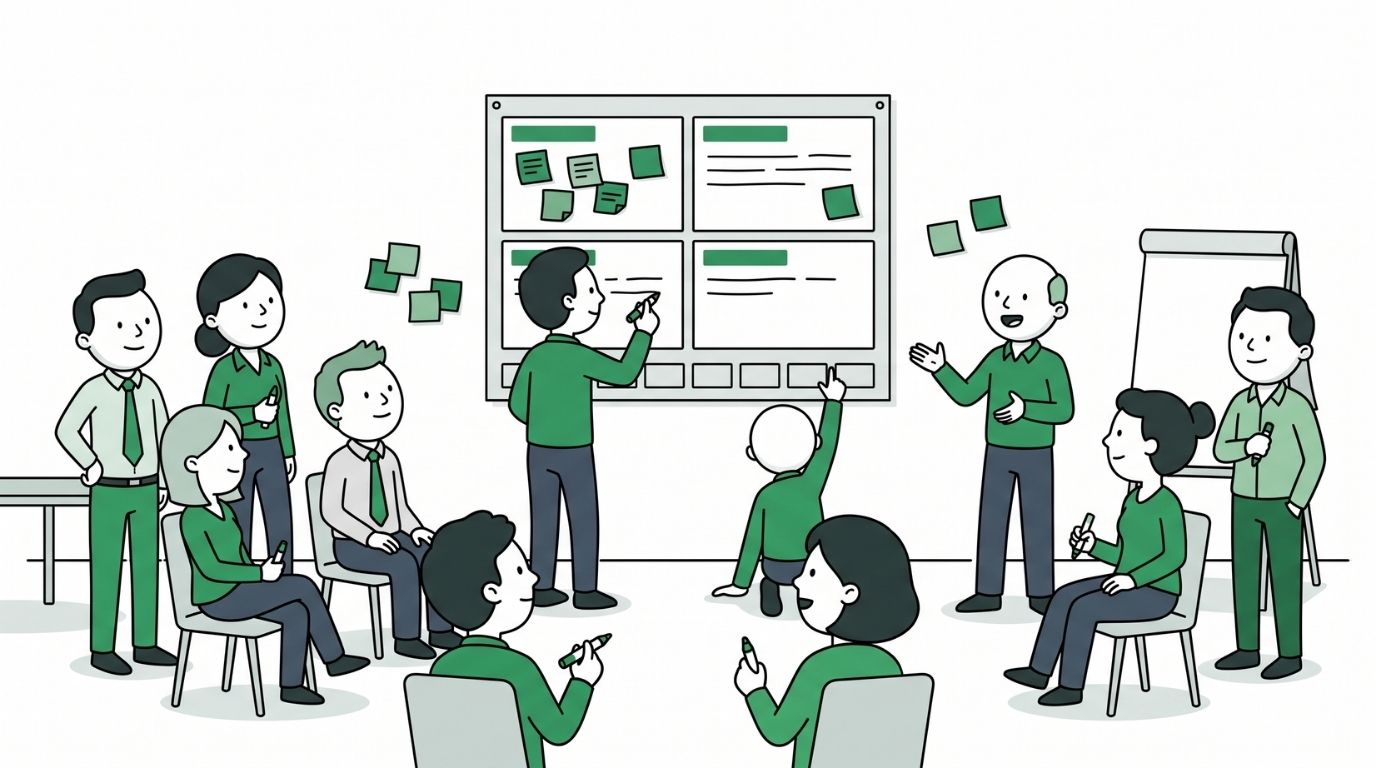
Ask six people on a new team what the team is for and you get six answers. The Charter puts purpose, goals, roles and norms into one agreed artefact everyone can point back to.
Working Agreements
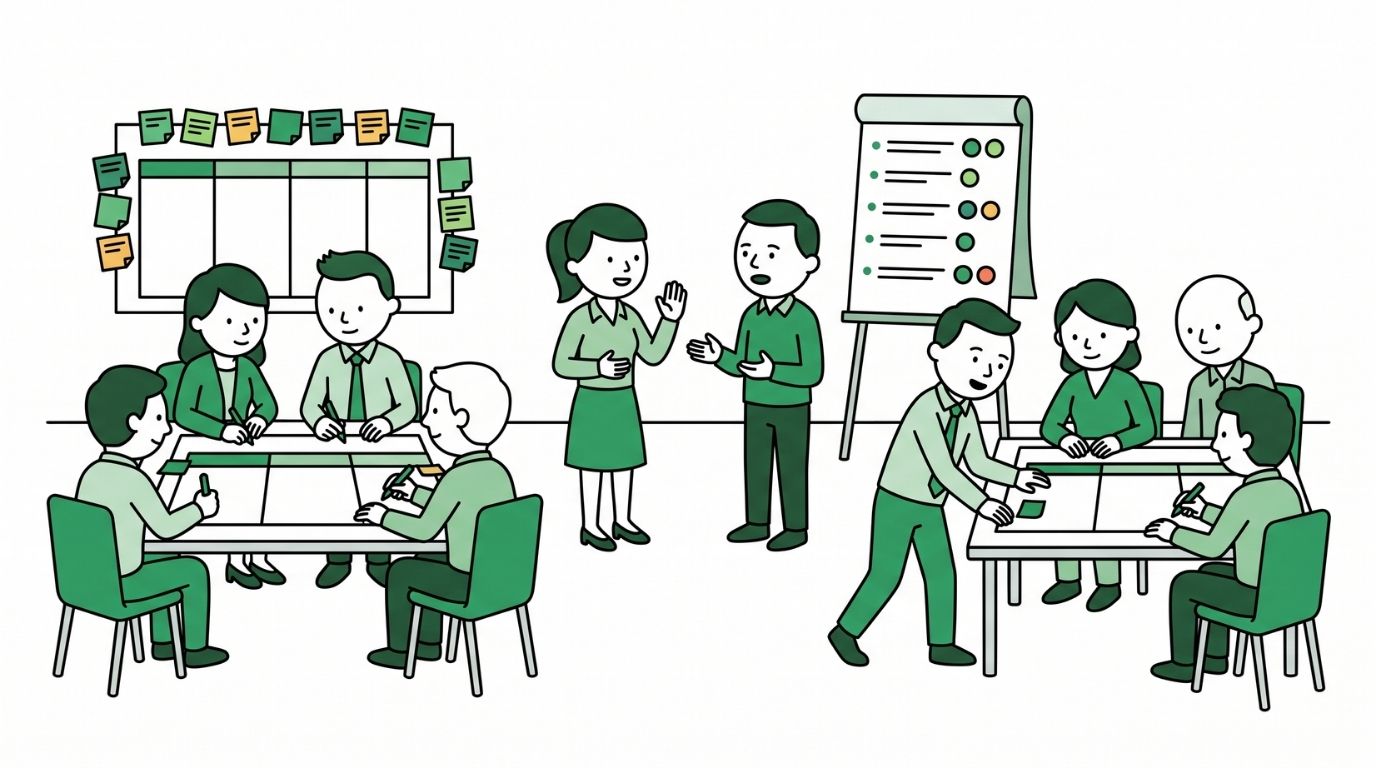
Teams agree to "communicate better" and then carry on exactly as before, because nobody knows what the words mean in practice. Working Agreements turns vague intentions into concrete behaviours you could watch someone do, and agrees how the group holds each other to them.
Roles and Expectations Clarity
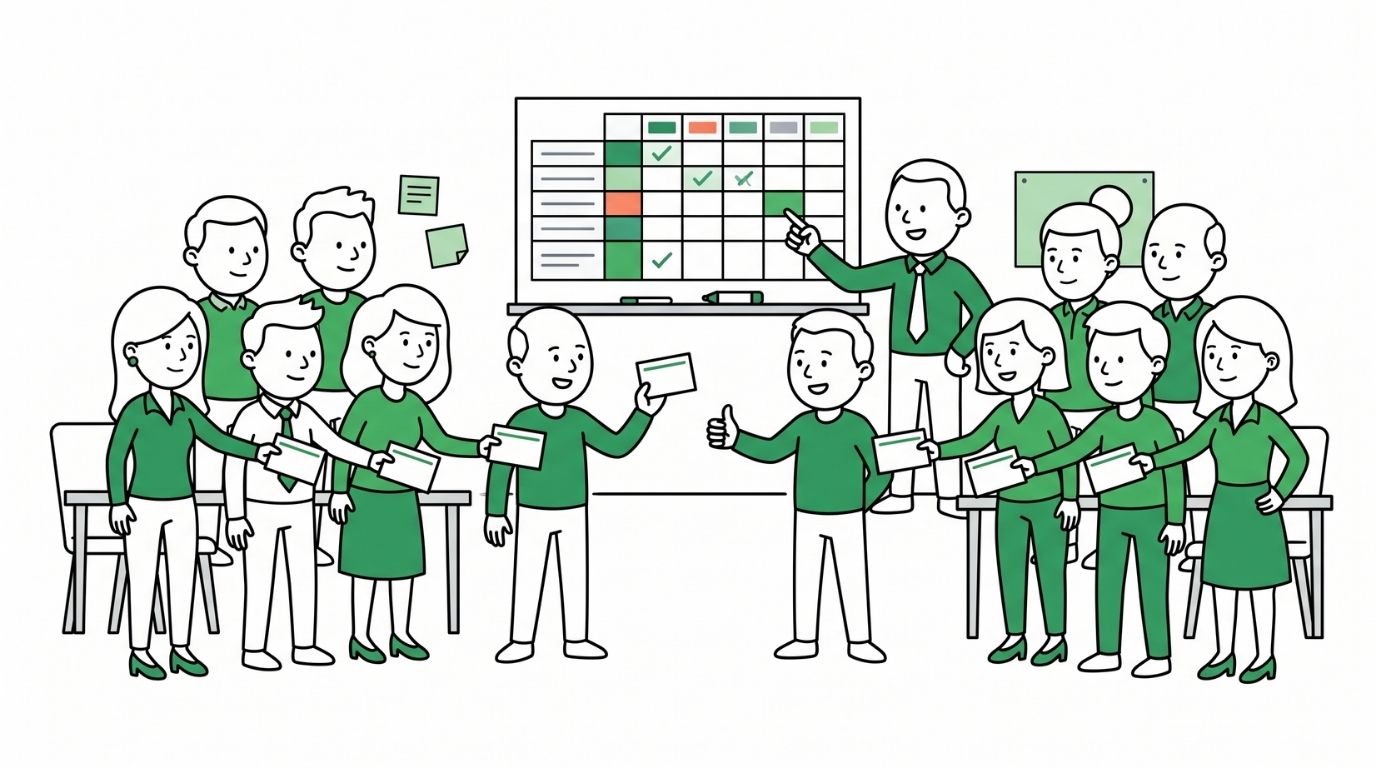
Most friction on a new team is not about personality. It is two people who both think they own the same decision, or a task nobody thinks they own. This workshop makes who does what, and who decides, explicit.
Strengths and Working Styles
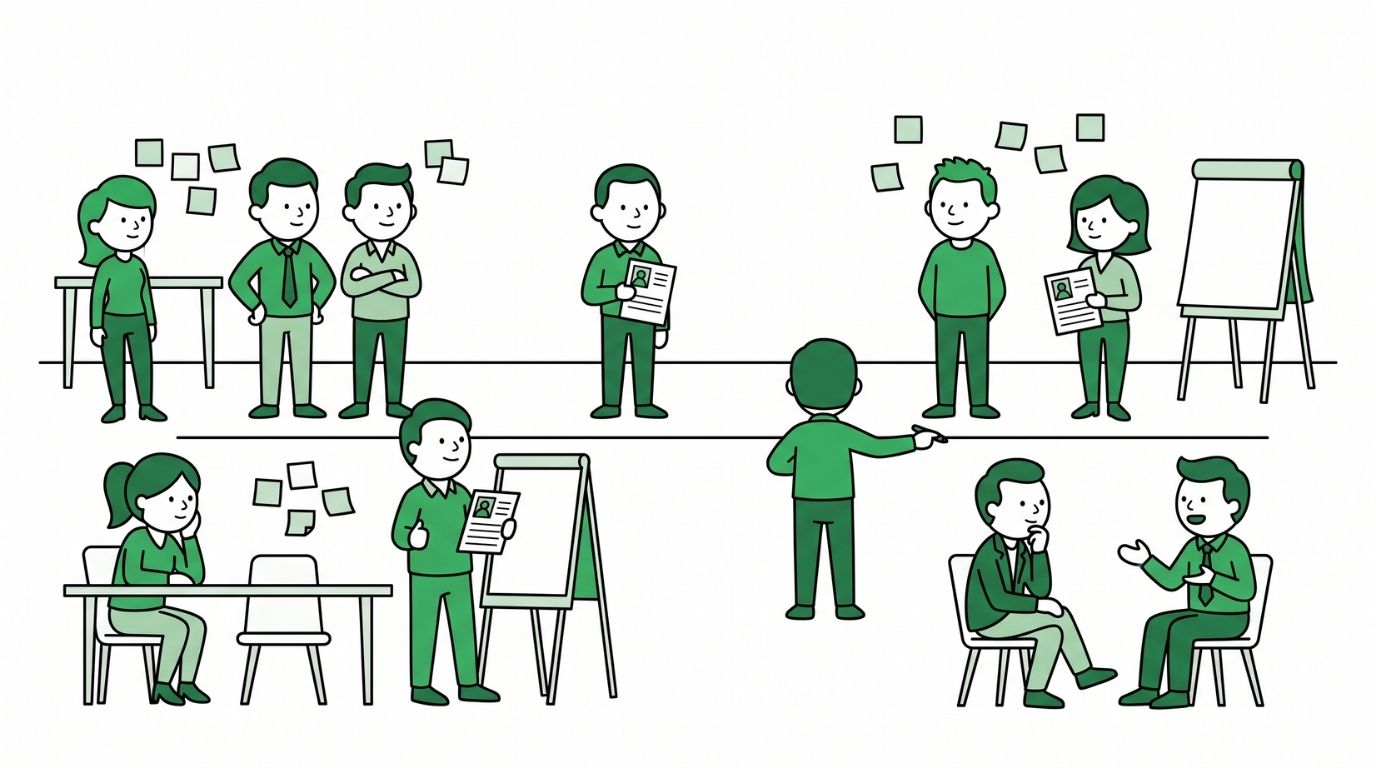
People assume everyone works the way they do, then misread anyone who doesn't: quiet focus reads as disengagement, fast replies read as impatience. This surfaces what each person is good at and how they prefer to work, so the team plays to real strengths instead of guessing at each other.
Goal Alignment
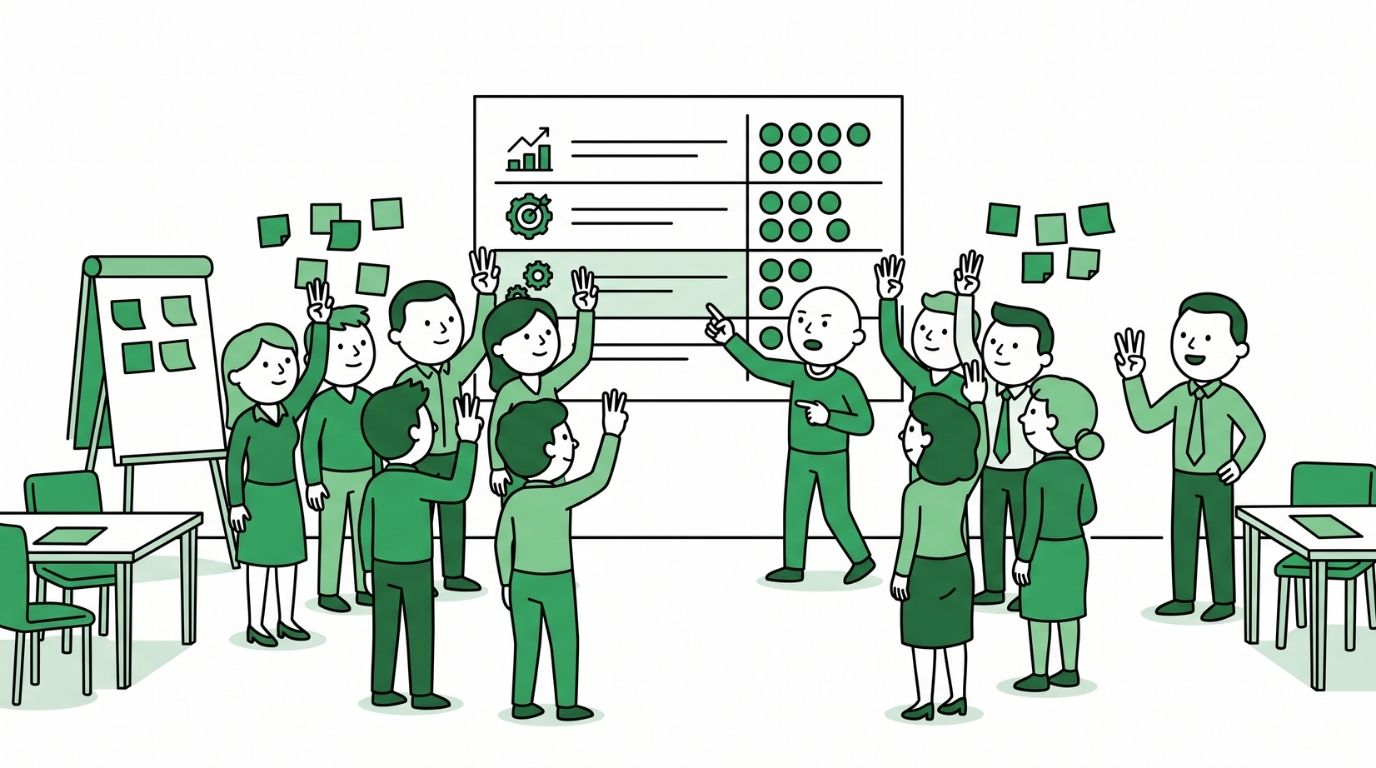
A team can be busy and completely misaligned at the same time, everyone sure they agree until the work proves they don't. This gets everyone onto the few priorities that matter most right now, and tests whether people genuinely back them or are just nodding along.
Join Pro before the price rises
If you join during the launch of the Team Toolkit your price is locked for as long as you stay a member. The rise never touches you. Anyone who joins after pays more every year, for the same library you get today. 324 consultant-grade frameworks with more added every week. One price, held forever.
→ Start your Pro membership
A team formed on purpose beats a team formed by accident every time.
The difference is a handful of structured conversations in the first month. That is what these six workshops give you.
Questions? Send me a message using the Contact Us link in the footer. I reply personally.
See you next week for the Team Strengthening workshops!