
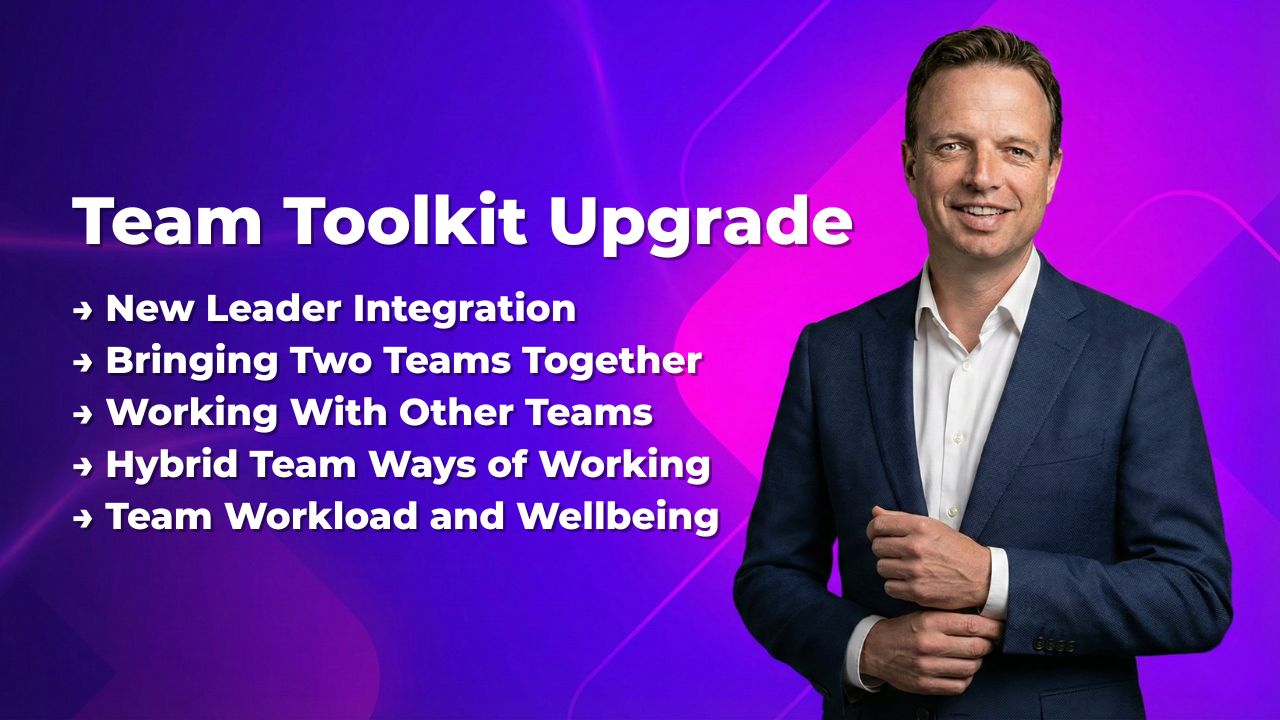
5 new team workshops for problems your team didn't choose
A new leader, a merger, the teams you depend on, hybrid working and too much work. Ready to run, with four more on the way.
The Team Toolkit launched with 16 workshops a few weeks ago.
Most of them look at how a team works on the inside: how it decides, gives feedback, agrees roles and sets its working agreements.
This week's five new workshops deal with what reaches a team from outside.
A new leader arrives. Two teams get merged into one. Work stalls at the handover to another team. People are split across locations and time zones. Or there's more work than the team can carry.
None of these is something the team chose.
Who are these workshops for
- Consultants, coaches and trainers who run sessions with client teams.
- Team leaders and managers whose team is living one of these five situations.
- HR, L&D and People teams supporting teams through new leaders, restructures and busy periods.
The five new workshops
Each is a ready-to-run, two-hour workshop for 8 to 16 people, run in person, with a step-by-step facilitator guide, a one-page Quick Reference and a printable resource.
If you're a Pro Member, you can use our AI to adjust any of these in seconds for your specific circumstances and audience, then save them to your account.
1. New Leader Integration
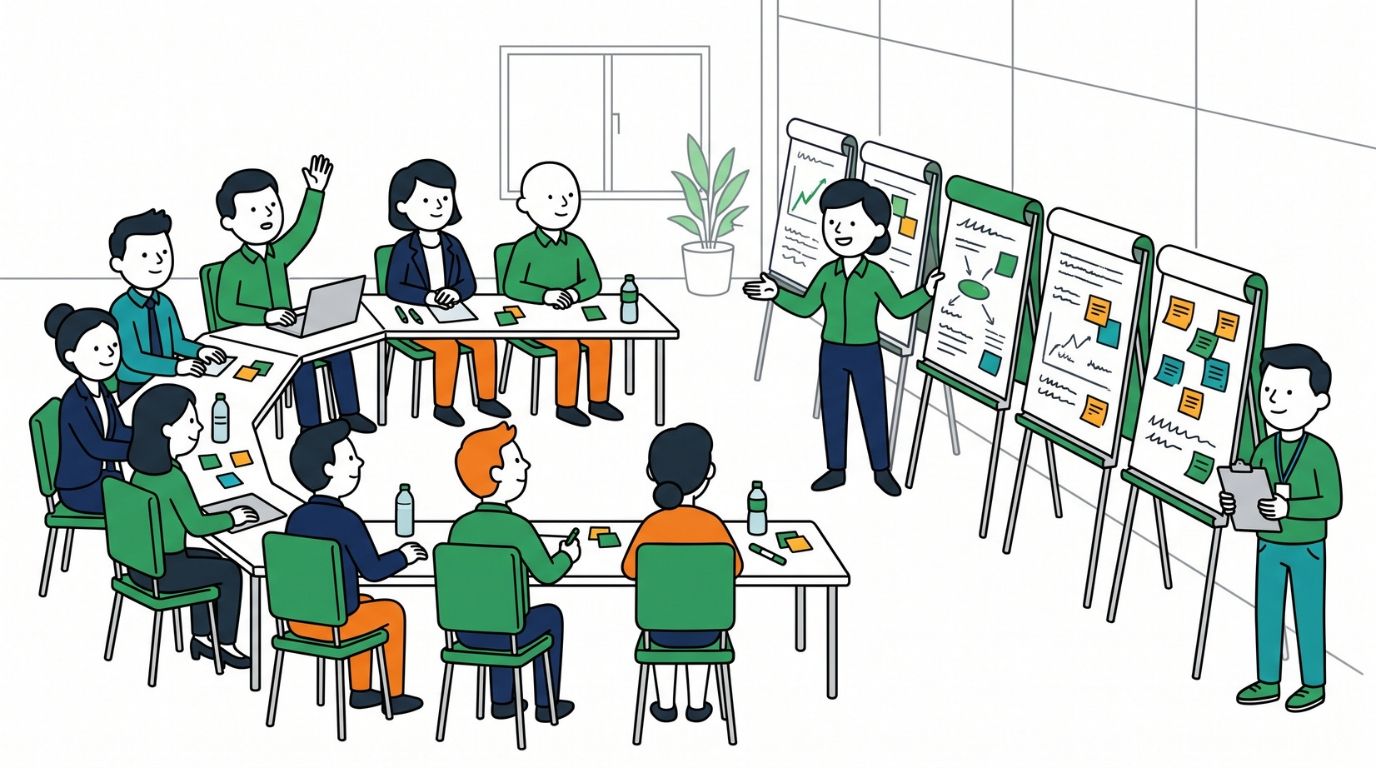
Your team has a new leader. They might be a few weeks into the job, promoted from within, or the latest in a run of changes at the top.
The leader opens the session, then leaves the room. While they're out, the team prepares its questions, concerns and messages. The facilitator merges them so nothing can be traced to anyone, and briefs the leader privately. The leader then comes back and answers everything in front of the team.
Comes with: the New Leader Integration Question Sheet, six questions groups answer while the leader is out.
The team walks out with: clear expectations in both directions, and a date to check in.
→ New Leader Integration Team Workshop
2. Bringing Two Teams Together
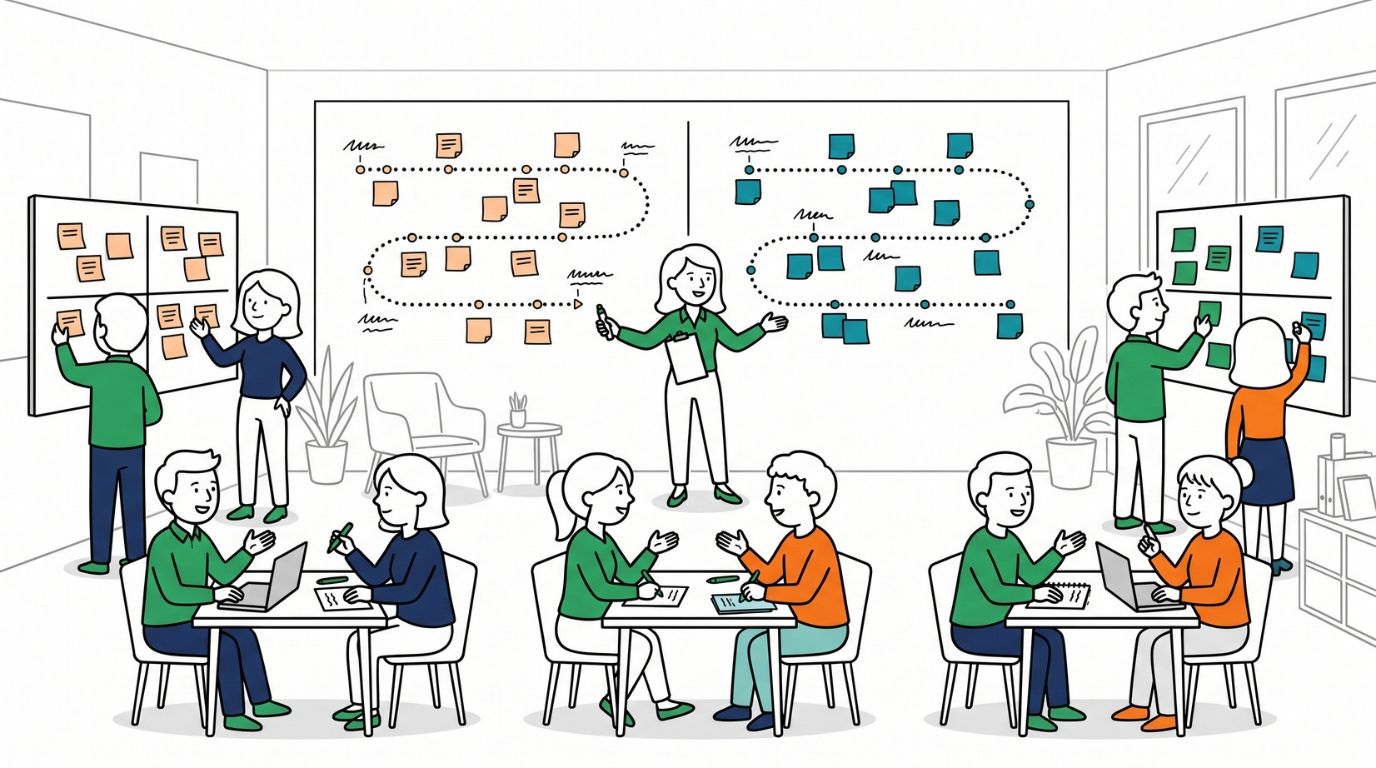
Two teams have been merged into one, and you can already hear "us and them."
Each original team maps its own journey and shares it, so both histories get a hearing. Mixed pairs then interview each other across the old divide. The new team decides what to keep from each side, what to let go of and what to create together.
Comes with: the Combined Team Canvas.
The team walks out with: a short set of minimum rules everyone runs on.
→ Bringing Two Teams Together Team Workshop
3. Working With Other Teams
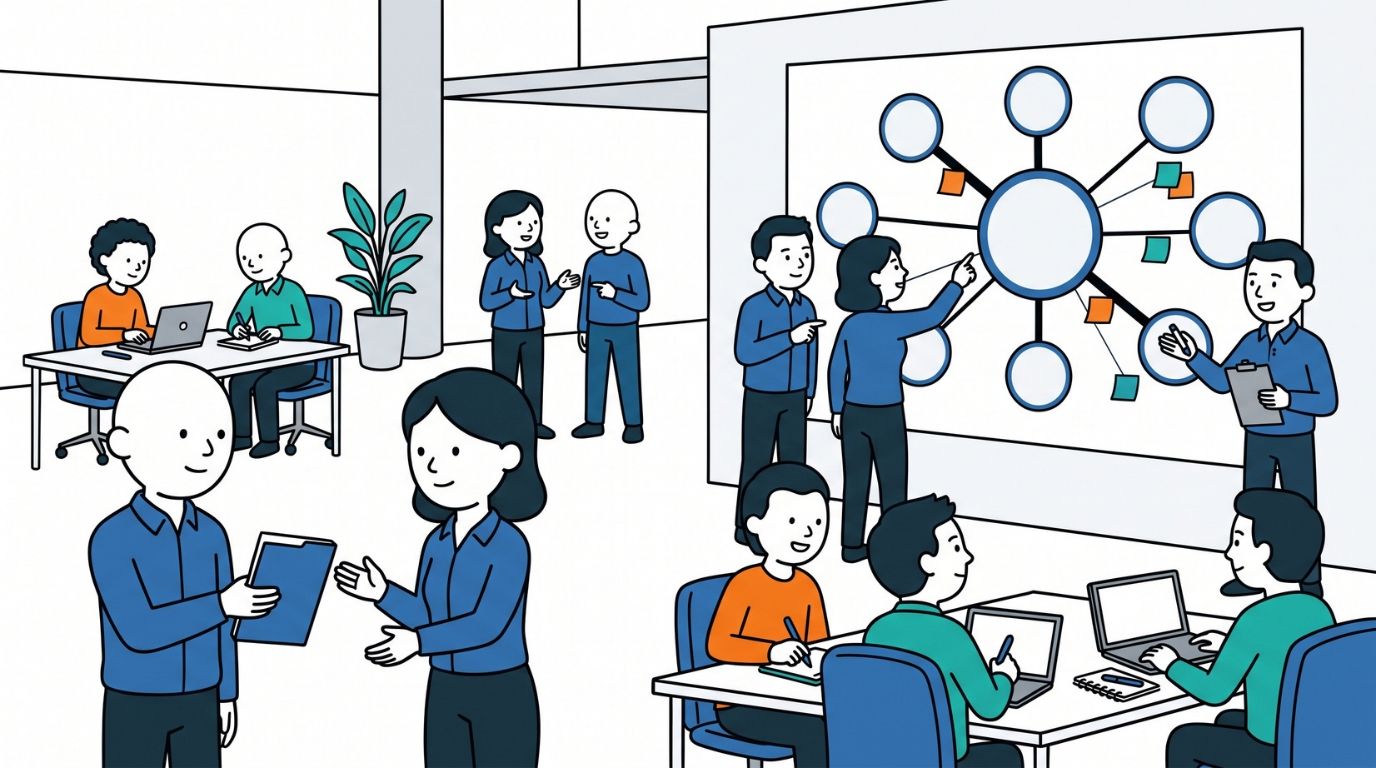
Your team's biggest frustrations come from the teams around it: slow handovers, blame between teams, or a matrix where nobody's sure who owns what.
The team maps the teams it depends on and marks the strained relationships. It looks at each one from the other team's side and traces where work breaks down at the handover. Then it drafts clear requests, each paired with an offer, and practises delivering them.
Comes with: the Team Interface Planner.
The team walks out with: an owner for every relationship, and a conversation booked with each.
→ Working With Other Teams Team Workshop
4. Hybrid Team Ways of Working
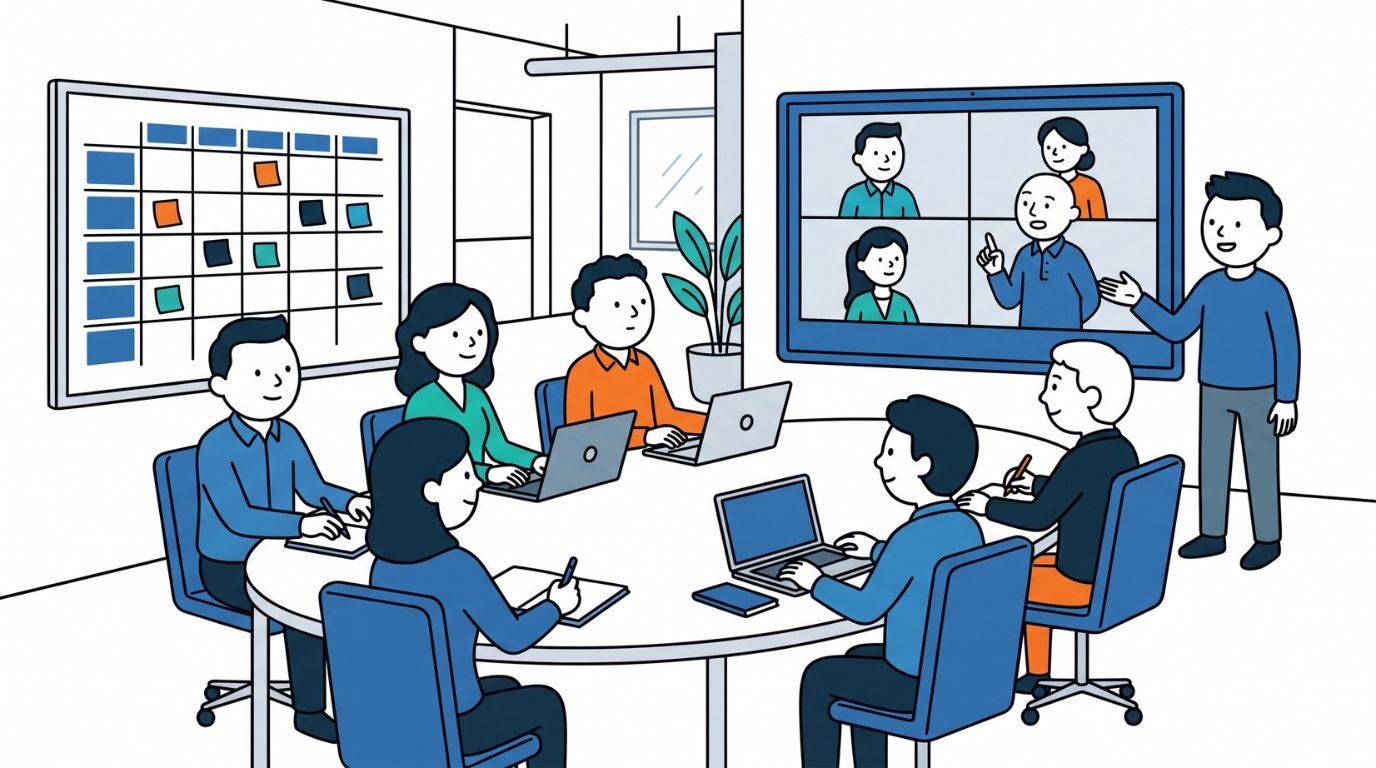
Your team drifted into hybrid working. Someone's the odd one out, or works in a different time zone.
The team maps who is where, and when. Then it runs an inverted brainstorm, "how could we make hybrid fail?", which lets people name the team's bad habits without blaming anyone. It designs its rhythm, channels and fairness rules, then cuts them down to a few.
Comes with: the Hybrid Team Operating Guide, including a channel guide with expected reply times.
The team walks out with: a few minimum rules to trial, and a date to review them.
→ Hybrid Team Ways of Working Team Workshop
5. Team Workload and Wellbeing
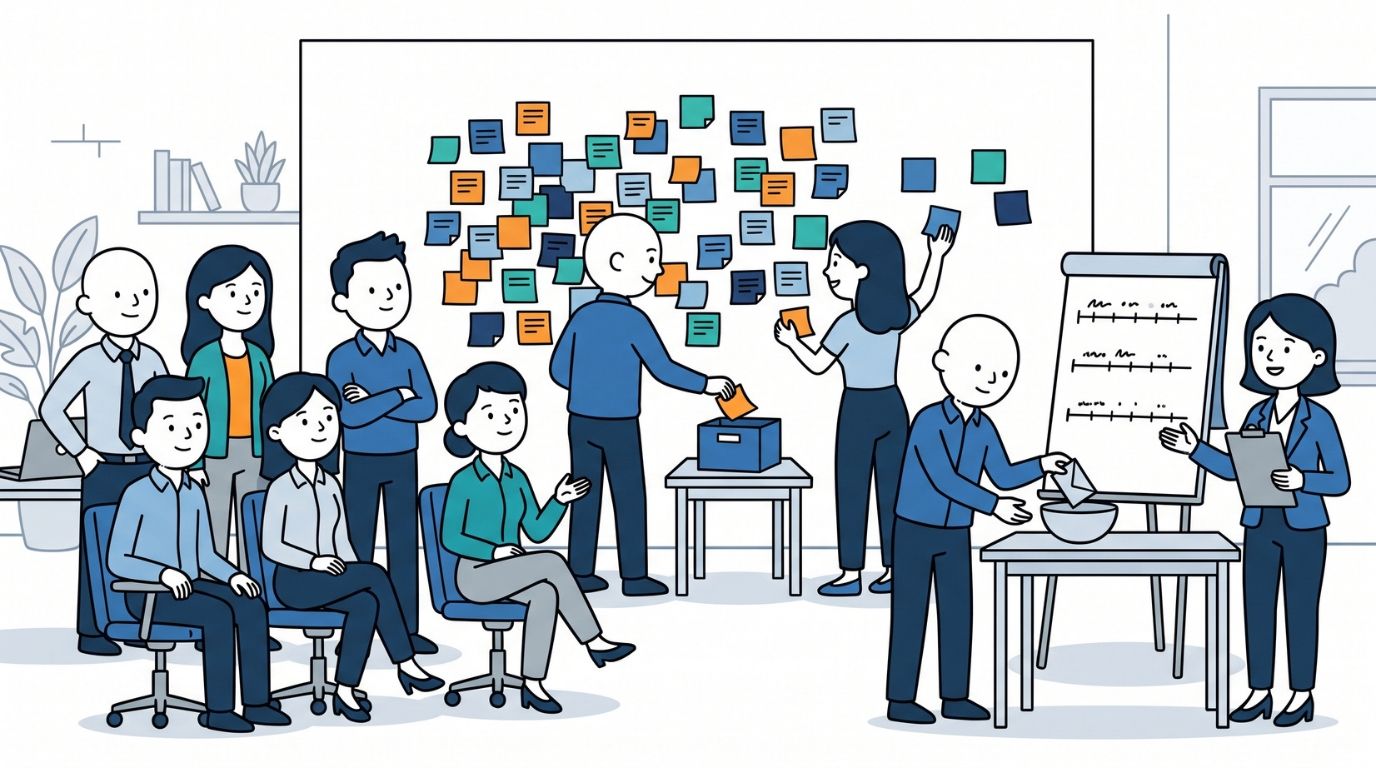
Your team feels stretched or constantly behind, after a long peak or heading into a busy one.
The team reads its temperature on workload, pace and energy. It maps everything it carries, including hidden work, and names the patterns that drain it. The session stays with team-level patterns and never asks anyone to disclose personal health.
Comes with: the Team Load Map.
The team walks out with: changes it can make now, to stop, reduce, protect or share work, and an evidenced case for escalating anything outside its control.
→ Team Workload and Wellbeing Team Workshop
"I used to spend hours planning my workshops - I wanted the process to be JUST right and sometimes would get stuck in a spin. Being a member means I'm able to draw from more tools to enhance my client experience."
Larae Pierson (HR Business Partner)
What Pro Membership costs
WorkshopBank Pro is $192 a year (at the time of publishing this article).
It's the library of workshops and frameworks we've built over 15 years, trusted by consultants, facilitators and leaders.
You get all 371 workshops the day you join, plus unlimited modifications with our AI.
That's only 52 cents a workshop. Set that against what it costs you to design one from scratch, or to buy a single workshop anywhere else.
Why join today
The price goes up as the library grows, and it never comes down. A week ago there were 366 workshops. Today there are 371.
Join now and you keep today's price, with every workshop we add after included. Cancel any time.
Have a good weekend,
P.S. Four more Team Toolkit workshops are on the way: Team Critical Thinking, Rebuilding After Conflict, Closing Well and Seeing Our System. That takes the toolkit from 16 to 25. Join here and they're included at today's price.